



 Update
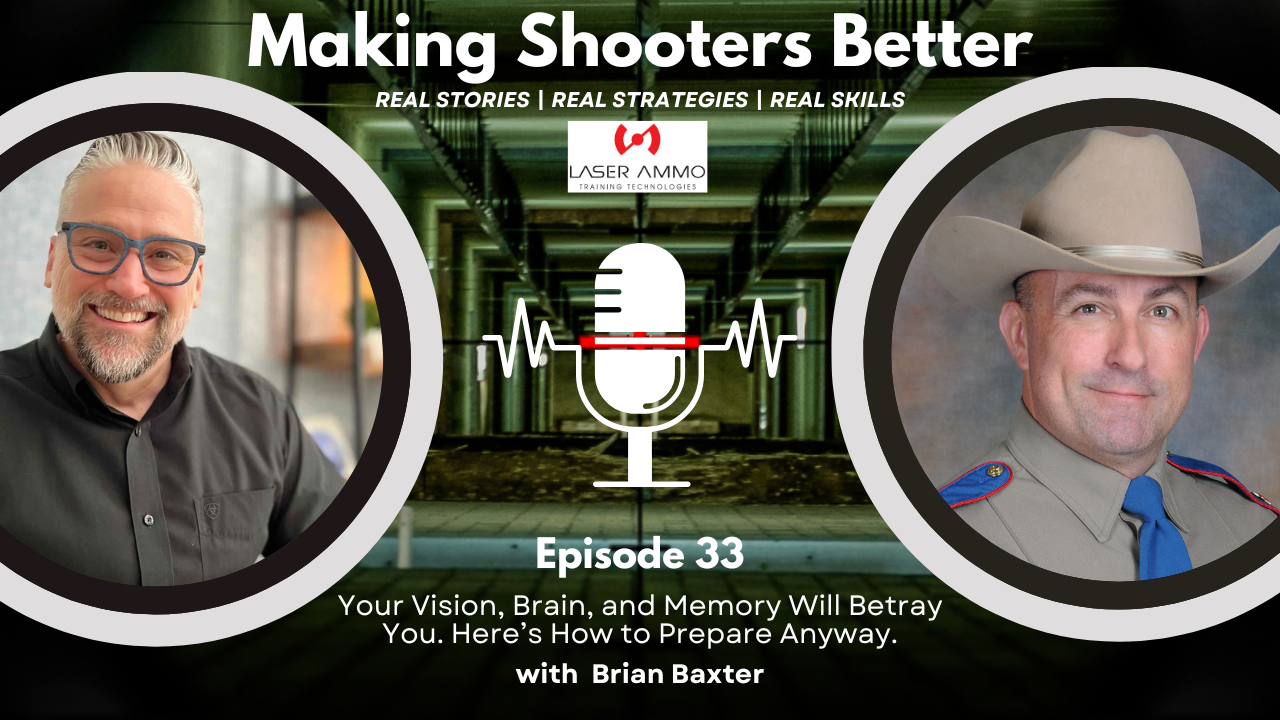
Understanding Human Performance Under Stress
When people think about surviving a critical incident, they often focus on equipment, marksmanship, or tactics. While those skills are important, there is another factor that plays a major role in the outcome: understanding how the human brain actually functions under extreme stress.
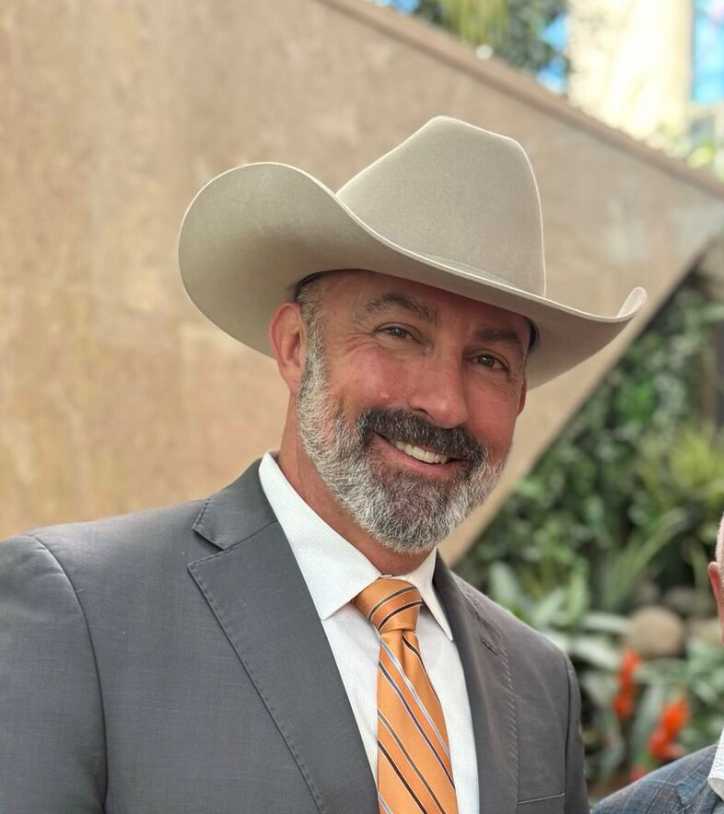
In this episode of Making Shooters Better, Terry Vaughan sits down with Brian Baxter, CEO of Force Science, combat infantry veteran, retired Texas State Trooper, and one of the world's leading experts on human performance. Their conversation explores what science tells us about perception, decision-making, memory, and why understanding these human limitations is just as important as learning to shoot accurately.
Whether you're a firearms instructor, law enforcement officer, competitive shooter, or responsibly armed citizen, these insights can help shape how you train, evaluate performance, and prepare for situations that unfold in fractions of a second.
Why We Don't Make Decisions the Way We Think We Do
One of the biggest misconceptions Brian addresses is the belief that people carefully weigh every option during a life-threatening event. In reality, the brain simply doesn't have time.
Instead, experienced individuals rely on recognition-based decision making. Years of quality training and experience allow the brain to recognize familiar patterns and immediately select a response that has worked before.
Rather than asking:
- What are all my options?
- Which one is best?
- What are the consequences of each?
The brain asks a much faster question:
"Have I seen something like this before?"
That is why realistic, repetitive training matters. It builds the mental library your brain depends on when time disappears.
Your Eyes Don't See Everything
Many people assume that if they looked in a particular direction, they saw everything happening there. Human vision doesn't work that way.
Brian explains that attention is every bit as important as eyesight. Even when our eyes are pointed directly at something, we may not consciously process it if our attention is focused elsewhere.
During high-stress encounters our visual attention narrows dramatically. This allows us to focus on the greatest perceived threat but naturally limits awareness of everything else occurring around us.
Force Science research has demonstrated that body camera footage often fails to capture many of the visual cues officers relied upon to make their decisions. Likewise, officers frequently remember important details that never appear on video because their attention—not just their eyes—was directed elsewhere.
Memory Is Constructed, Not Recorded
Perhaps one of the most valuable lessons from this conversation is understanding that memory is not a video recording.
Brian explains that memory is reconstructed over time. We don't replay an event like pressing play on a movie. Instead, our brains rebuild memories using fragments of sensory information, emotional responses, and previous recollections.
This explains why honest people can remember the same incident differently.
Stress, fear, attention, and physiology all influence what becomes part of memory and what never gets stored in the first place.
Some important takeaways include:
- Attention determines what is likely to be remembered.
- Procedural actions often occur without conscious awareness.
- Traumatic memories frequently appear as disconnected fragments rather than a complete timeline.
- Memory often improves after a period of recovery and sleep.
Why Training Must Reflect Reality
Throughout the discussion, Brian emphasizes that understanding these limitations isn't about making excuses. It's about creating realistic expectations and building better training.
Every repetition performed correctly strengthens recognition, improves pattern matching, and helps shooters make better decisions under stress.
This is another reason dry fire practice is so valuable. Safe, structured repetitions help reinforce efficient mechanics and decision-making without requiring live ammunition every session. Combined with quality live-fire training, dry practice allows shooters to build confidence while developing skills they can rely on when stress begins to affect perception and performance.
Honest Accountability
One of Brian's most thought-provoking concepts is what he calls "honest accountability."
Accountability should always exist, but it must be based on realistic expectations of human performance rather than perfect hindsight.
Scientific research consistently demonstrates that humans cannot instantly perceive changing information, stop physical actions immediately, or remember every detail of a rapidly evolving incident.
Understanding these realities allows investigators, trainers, and responsible gun owners to evaluate incidents more fairly while still maintaining accountability.
Situational Awareness Is More Than Looking Around
Situational awareness isn't simply scanning your surroundings.
Brian encourages listeners to think about knowing:
- What is important right now.
- What is likely to happen next.
- Where potential threats may emerge.
- How experience influences what we notice.
Remaining mentally present, minimizing distractions, and continually evaluating your environment are skills that can be developed through deliberate practice.
Watch the Full Conversation
This episode is packed with practical lessons that every responsible firearm owner can benefit from. Brian Baxter translates decades of scientific research into concepts that are easy to understand while challenging many common misconceptions about vision, memory, and performance under stress.
If you want a deeper understanding of how your brain actually works during critical incidents—and how better training can prepare you for those moments—be sure to watch the full episode embedded below. You'll also learn more about Force Science's research, educational programs, and why understanding human performance makes us all better students, instructors, and defenders.
You can learn more about Brian Baxter and Force Science by visiting Force Science and following them on Facebook, LinkedIn, X /Twitter, and Instagram.
If you enjoyed this episode, subscribe to the Making Shooters Better podcast and the Laser Ammo YouTube channel for more conversations that help shooters train smarter, build confidence, and improve safely.
Listen to More Episodes
You can listen to Making Shooters Better on your favorite podcast platform. Follow the show here:
- Buzzsprout: https://www.buzzsprout.com/2532363/follow
- Amazon Music https://music.amazon.com/podcasts/8156b69d-5ad9-46e9-9a4d-2baff1fbc9ef/making-shooters-better
- Apple Podcasts: https://podcasts.apple.com/podcast/id1849466402
- Spotify: https://open.spotify.com/show/5EhHThJEeV5QZ0QQn5n5CF
- Podcast Index: https://podcastindex.org/podcast/7559749
- Overcast: https://overcast.fm/itunes1849466402
- Castro: https://castro.fm/itunes/1849466402
- Podchaser: https://www.podchaser.com/podcasts/making-shooters-better-6264190
- Goodpods: https://www.goodpods.com/podcasts-aid/1849466402
- TrueFans: https://truefans.fm/65cb6a8a-c2eb-524e-b742-257cbe7bcfce
- Castbox: https://castbox.fm/vic/1849466402
- Podcast Addict: https://podcastaddict.com/podcast/making-shooters-better/6158896
- iHeartRadio: https://www.iheart.com/podcast/1333-making-shooters-better-303769503/
- Pandora: https://www.pandora.com/podcast
- TuneIn: https://tunein.com/podcasts/