



 Update
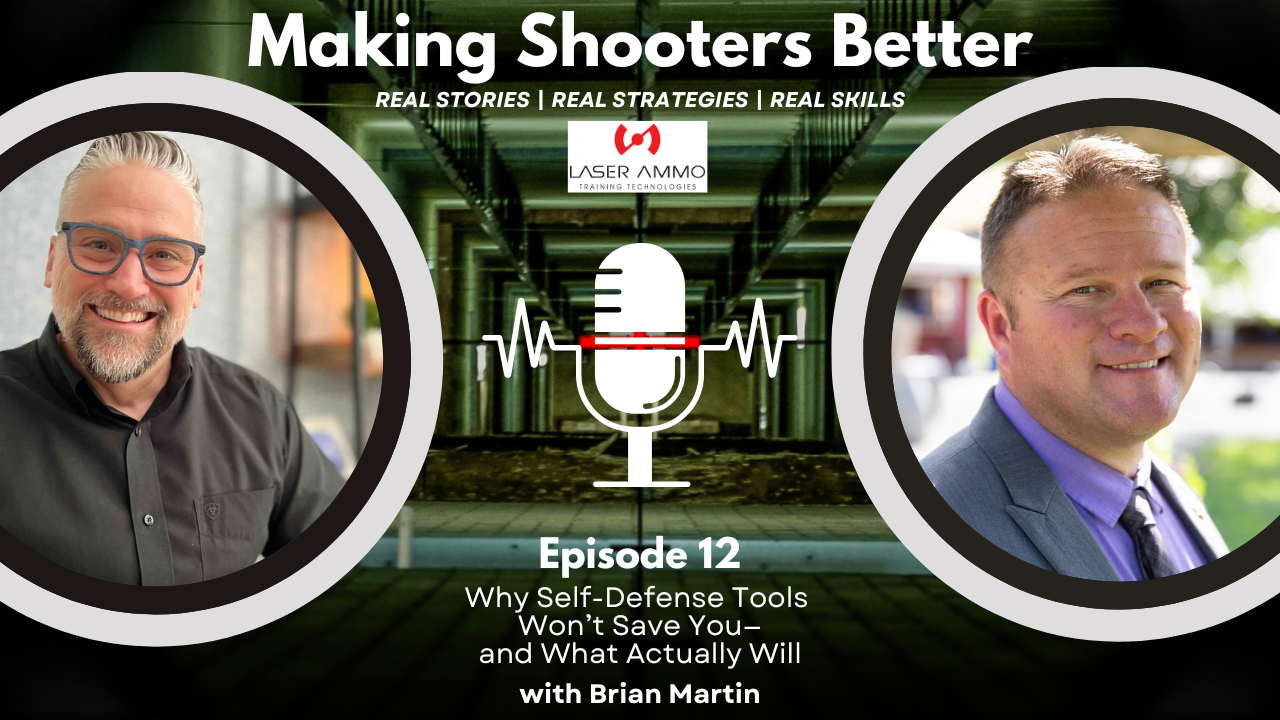
In this episode of Making Shooters Better, Terry Vaughan sits down with Brian Martin, a former paratrooper and 30-year law enforcement officer, to explore what true preparedness actually means.
While many people associate readiness with carrying a firearm or building the perfect kit, Brian explains that real readiness starts long before an emergency — and often has little to do with gear alone.
Preparation Begins Before the Emergency
Preparedness is not reactive. It is proactive.
Brian emphasizes that your home, your family, and your responsibilities deserve more than hope. Real readiness includes:
- Thinking through likely scenarios
- Understanding your local self-defense laws
- Recognizing emotional and legal consequences of force
- Training in ways that replicate real stress
Carrying a firearm does not equal being ready. Readiness is mental, legal, tactical, and practical.
Training vs. Experience
Classroom instruction and range practice build mechanics. They teach how to shoot, reload, and clear malfunctions.
Experience, however, teaches something different. It exposes how stress narrows perception, how decisions ripple through minutes, and how small details matter when stakes are high.
Brian shares how even minor mistakes in training — such as failing to properly confirm a safety selector — can leave lasting lessons. Those moments shape habits, and habits surface under pressure.
Habits Transfer Under Stress
History has shown that what we practice becomes what we default to in crisis.
If training builds the wrong habits, those habits may show up at the worst possible time. Under stress, the brain does not rise to the occasion — it falls back on repetition.
This is why realistic training matters.
Stress Changes Everything
When adrenaline spikes:
- Fine motor skills degrade
- Gross motor skills dominate
- Decision-making narrows
- Time perception shifts
Effective training introduces controlled stress so weaknesses can surface safely.
Examples include:
- Timed drills
- Physical exertion before shooting
- Auditory distractions
- Realistic feedback tools
The goal is not embarrassment. It is exposure and improvement.
Improvisation Comes From Experience
In remote policing, Brian learned self-reliance. Limited backup and distance required creativity and adaptability.
Improvisation is not found in manuals. It develops through experience, problem-solving, and learning to manage limited resources.
The Three Battles After Force Is Used
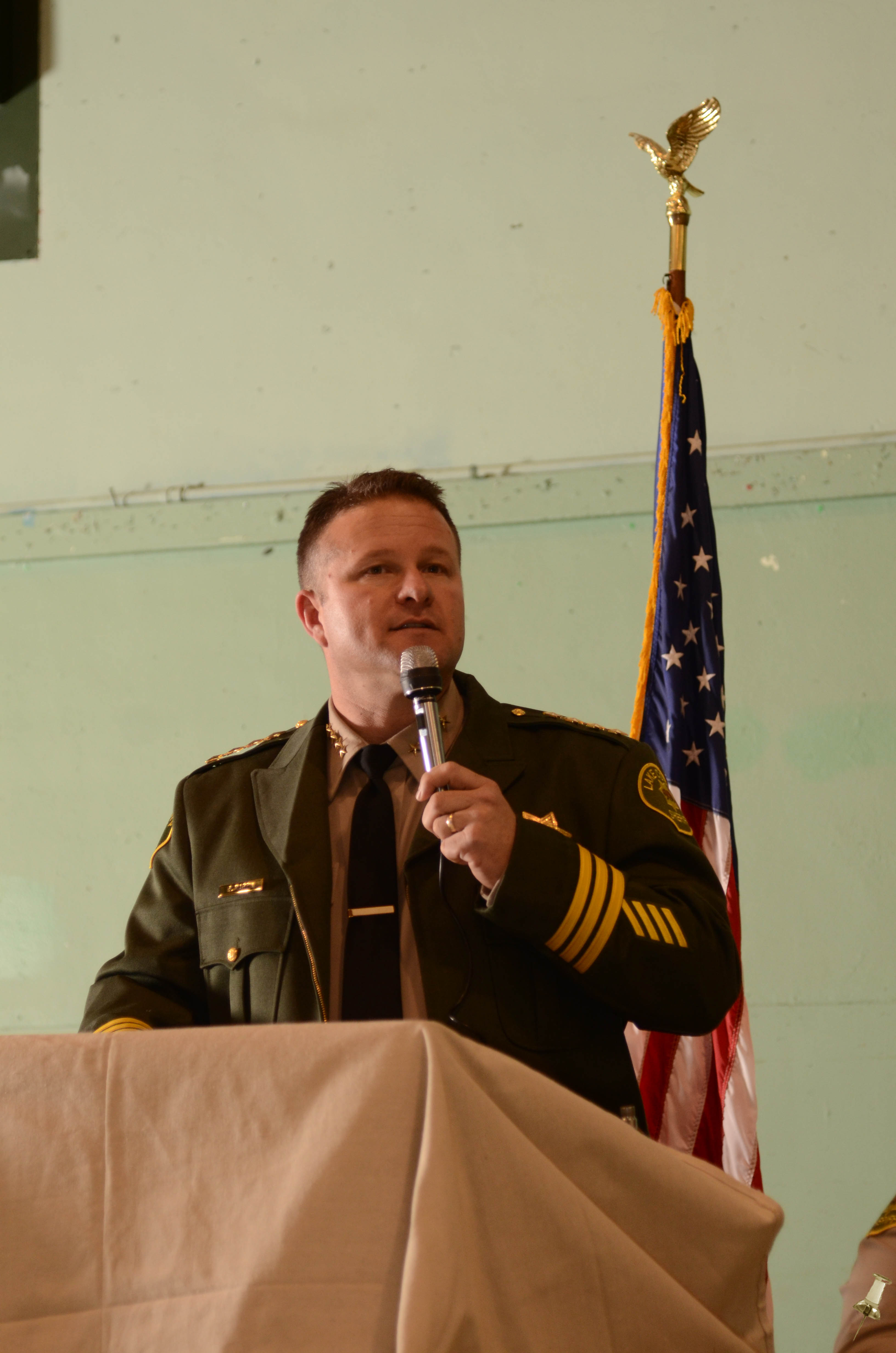
Brian explains that any use of force carries three unavoidable consequences:
- Physical: the immediate survival outcome
- Emotional: stress and long-term impact on you and your family
- Legal: criminal and civil scrutiny
Training should address all three — not just marksmanship.
Humility and Self-Knowledge
Confidence without competence is dangerous.
Real preparedness requires honest self-assessment. That includes recognizing weaknesses, addressing blind spots, and understanding personal limitations.
Humility is not weakness. It is responsible leadership.
Practical Ways to Increase Readiness
- Plan potential scenarios relevant to your life
- Communicate your whereabouts during higher-risk activities
- Practice under stress, not just comfort
- Study local self-defense law
- Evaluate your carry method for realistic access
- Train weaknesses, not only strengths
- Measure and track progress over time
Preparedness is a process. Improvement compounds over time.
Watch the Full Conversation
This episode goes deeper into how stress impacts performance, how training habits transfer to crisis, and why humility may be one of the most important safety tools you can develop. Brian’s decades of military and law enforcement experience provide perspective that benefits both civilians and professionals.
Watch the full episode to rethink what readiness truly means — and how to build it responsibly.
Follow Brian Martin
Brian shares ongoing insights on preparedness, leadership, and responsible self-defense training across his social platforms. Following his work is a great way to continue learning and refining your approach to readiness.
Listen to More Episodes
You can listen to Making Shooters Better on your favorite podcast platform. Follow the show here:
- Buzzsprout: https://www.buzzsprout.com/2532363/follow
- Amazon Music https://music.amazon.com/podcasts/8156b69d-5ad9-46e9-9a4d-2baff1fbc9ef/making-shooters-better
- Apple Podcasts: https://podcasts.apple.com/podcast/id1849466402
- Spotify: https://open.spotify.com/show/5EhHThJEeV5QZ0QQn5n5CF
- Podcast Index: https://podcastindex.org/podcast/7559749
- Overcast: https://overcast.fm/itunes1849466402
- Castro: https://castro.fm/itunes/1849466402
- Podchaser: https://www.podchaser.com/podcasts/making-shooters-better-6264190
- Goodpods: https://www.goodpods.com/podcasts-aid/1849466402
- TrueFans: https://truefans.fm/65cb6a8a-c2eb-524e-b742-257cbe7bcfce
- Castbox: https://castbox.fm/vic/1849466402
- Podcast Addict: https://podcastaddict.com/podcast/making-shooters-better/6158896
- iHeartRadio: https://www.iheart.com/podcast/1333-making-shooters-better-303769503/
- Pandora: https://www.pandora.com/podcast
- TuneIn: https://tunein.com/podcasts/