



 Update
There are many ways to pursue improvement with a firearm, but not all of them lead to lasting skill. In this episode of Making Shooters Better, USPSA champion Maggie Reese shares a more dependable path forward: intentional practice, strong fundamentals, and a mindset built around growth instead of ego.
Maggie brings the perspective of a national and international competitive shooter who has spent years learning what works under pressure. Her message is practical and encouraging. Whether your goal is competition, personal improvement, or safer and more confident firearms handling, the same core principles apply.
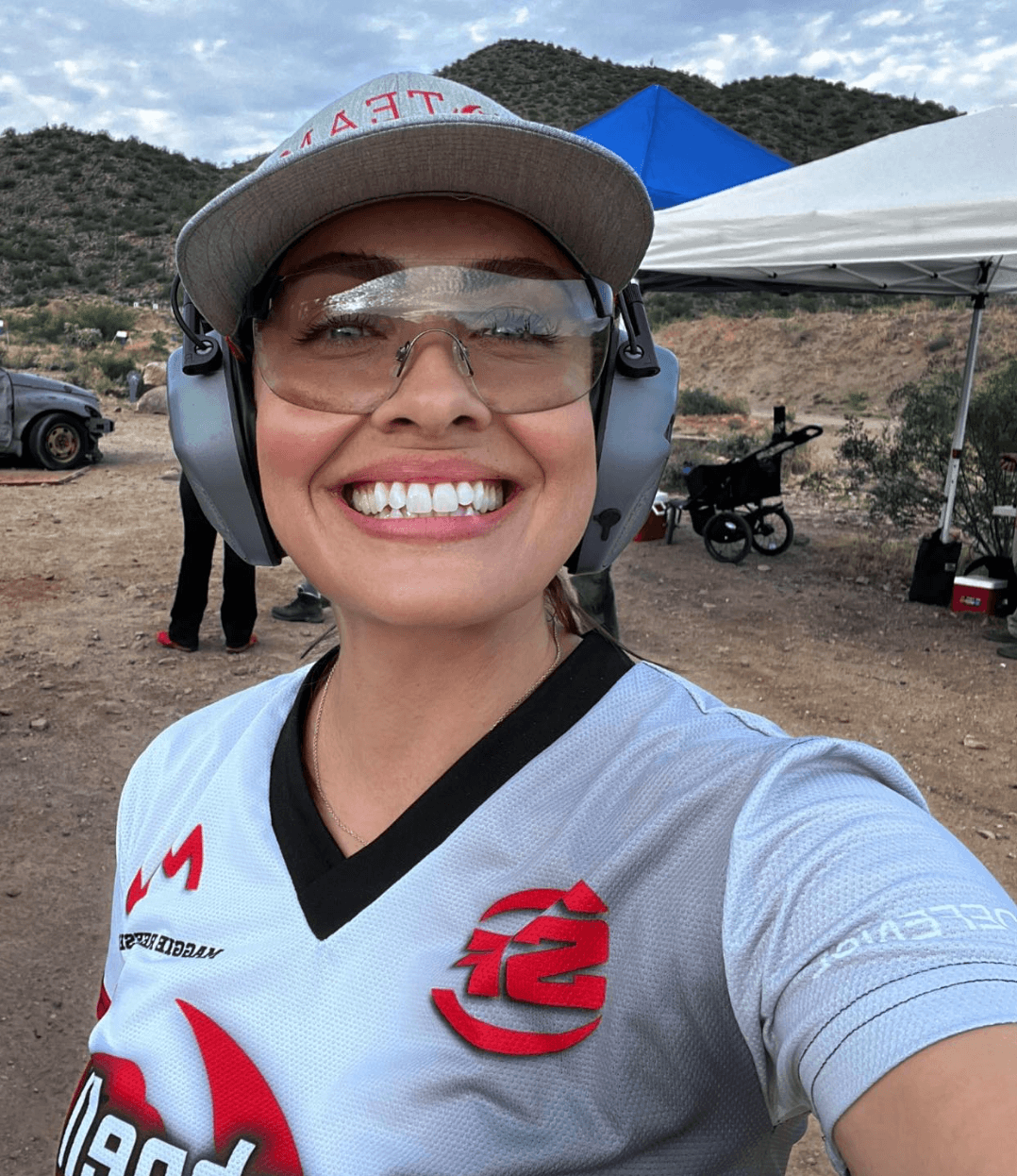
How Maggie Reese Built Her Approach to Shooting
Maggie’s journey into shooting began at 18, and from the start, safety played an important role in building confidence. That foundation helped shape the way she approaches performance today. Instead of chasing flashy moments, she focuses on repeatable habits that hold up when the pressure rises.
Throughout the conversation, Maggie explains that real progress comes from understanding your mechanics, practicing with intention, and staying willing to learn. That mindset has served her in competition, on television, and in everyday training.
Why Mastery Begins with Control
One of the strongest takeaways from this episode is that mastery is not about ego. It is about control. Maggie emphasizes that consistent performance comes from being able to repeat the same actions on demand, not from forcing speed or trying to impress anyone.
- Know your equipment and how it behaves
- Build a process you can repeat under pressure
- Learn to call your shots and evaluate your performance honestly
- Keep your mindset steady, even when things do not go perfectly
That kind of training may not always look dramatic, but it produces skill you can rely on.
Training with Intention Instead of Ego
Maggie talks openly about a trap many shooters fall into: practicing the appearance of skill instead of the substance of it. Fast reps may look impressive, but if they are not repeatable, they are not yet dependable.
Her advice is to train with intention. That means slowing down enough to understand what is happening, building the mechanics correctly, and focusing on quality over appearance. Speed can come later, but it should be built on top of control and accuracy.
What intentional training looks like
- Practicing fundamentals before pushing for speed
- Paying attention to how each rep feels
- Identifying errors instead of hiding from them
- Working on the skills that need the most attention
Consistency Creates Confidence
Maggie makes an especially useful point about consistency. Improvement is not only about how long you train. It is also about how often you stay connected to the skill. A short, focused session done regularly can be far more valuable than a long session done once in a while.
That principle matters for competitive shooters, new gun owners, and anyone working to maintain proficiency. Familiarity and confidence fade when training becomes too infrequent. Consistent practice helps preserve timing, comfort, and decision-making.
Simple ways to stay consistent
- Set a realistic training minimum each week
- Use short practice sessions to maintain familiarity
- Focus on clean, safe repetitions
- Stop before fatigue turns good reps into poor ones
Competition as a Safe Pressure Test
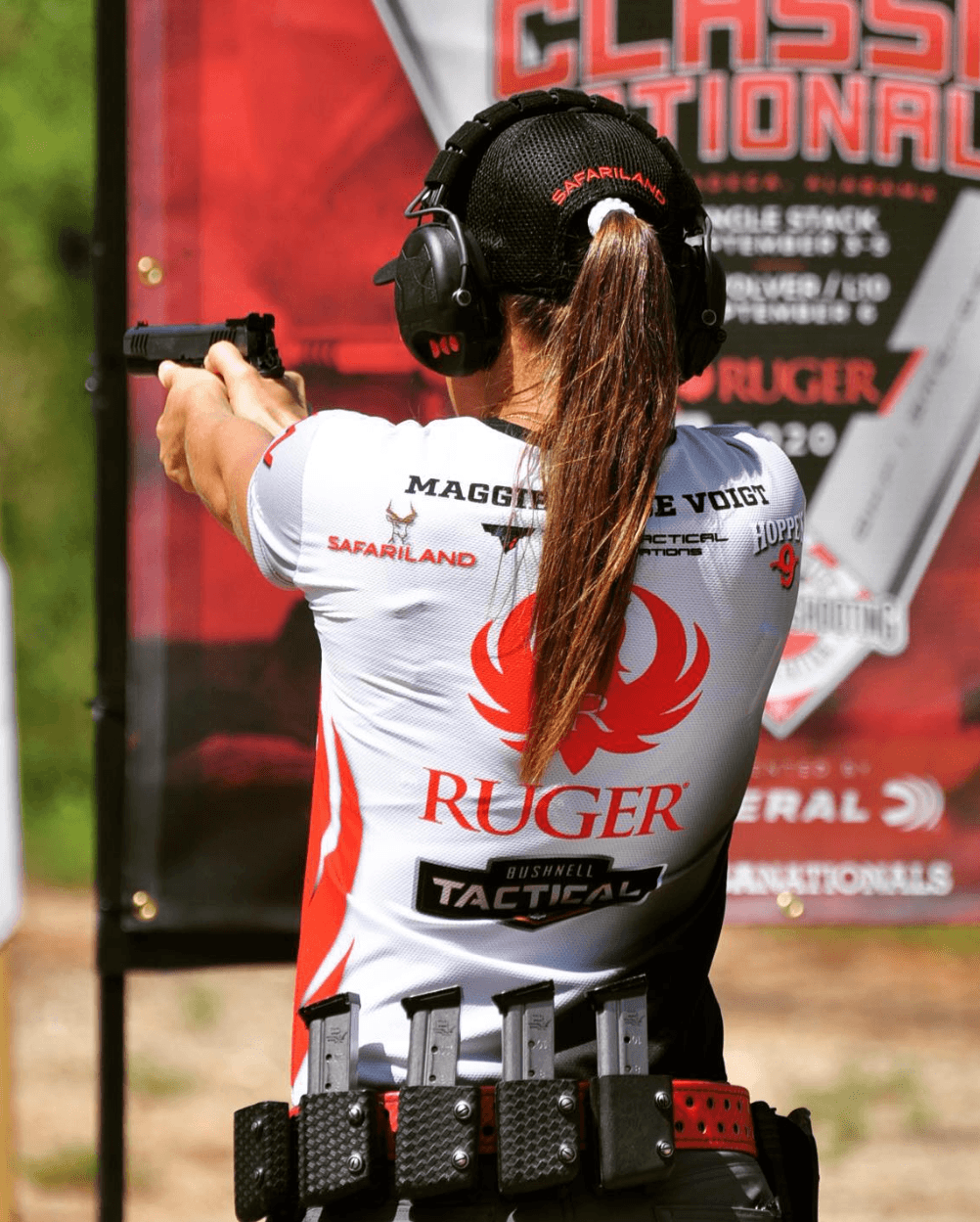
Not every shooter wants to compete, but Maggie explains why competition can still be a valuable training tool. Matches create pressure, accountability, and measurable feedback in a safe environment. That combination helps shooters learn how they perform when nerves and expectations show up.
Competition can reveal habits that do not appear during casual practice. It can also help shooters build emotional control, sharpen their process, and better understand where improvement is needed.
Breaking Performance Down into Trainable Parts
Another valuable theme in this episode is Maggie’s approach to diagnosing performance. Instead of treating a bad run or a missed shot as one large mystery, she breaks the process down into parts. That makes it easier to identify what changed and what needs attention.
- Stance and stability
- Posture and balance
- Grip and hand placement
- Trigger press and sight behavior
- Shot calling and follow-through
This kind of self-analysis turns practice into a feedback loop. Instead of just repeating reps, you begin learning from them.
The Role of Self-Talk in Performance
Maggie also discusses the mental side of shooting, especially self-talk. Many shooters build internal scripts around what they want to avoid: do not miss, do not mess up, do not fail. That kind of language can quietly shape performance in the wrong direction.
Her advice is to focus on what you want to do well. Positive, specific cues help keep attention on execution instead of fear. Just like mechanics, this kind of mental preparation needs repetition. It becomes stronger when practiced consistently, not just when pressure appears.
Examples of better self-talk
- Smooth draw
- Clear sight picture
- Good trigger press
- Stay present and finish the rep
Learning from Failure Without Carrying It Forward
One of the most memorable parts of Maggie’s perspective is her emphasis on narrative. Shooters often replay mistakes and build their identity around what went wrong. Maggie encourages a healthier approach: recognize errors honestly, but do not let them define the entire experience.
That does not mean ignoring problems. It means learning from them while still reinforcing what went well. A strong draw, a calm start, or a smart correction in the middle of a run still counts. Growth becomes easier when your internal story supports improvement instead of shutting it down.
How Equipment Fits into the Bigger Picture
Maggie notes that gear can absolutely matter, especially when it improves comfort, visibility, or consistency. Small changes in setup can reduce hesitation and support better performance. At the same time, equipment is not a shortcut around fundamentals.
The goal is to make sure your setup helps you execute the skills you are already building. Gear should support the shooter, not distract from the work of training.
Practical Lessons from This Episode
- Train for repeatability, not just speed
- Use competition or structured drills to experience pressure safely
- Build consistency with shorter, more regular practice sessions
- Break performance into parts so you can diagnose issues clearly
- Use positive, specific self-talk before and during reps
- Choose a narrative that supports growth and confidence
Watch the Full Conversation
This episode with Maggie Reese is worth watching in full because it connects mindset, mechanics, and long-term improvement in a way that is both practical and encouraging. She shares lessons from high-level competition, personal setbacks, and years of learning how to train with purpose. If you want to become a more capable and confident shooter, this conversation offers useful ideas you can bring into your own practice right away.
Be sure to watch the full episode, follow Maggie Reese on Instagram, and subscribe to the Laser Ammo channel for more conversations focused on safe, responsible firearms training and real skill development.
Listen to More Episodes
You can listen to Making Shooters Better on your favorite podcast platform. Follow the show here:
- Buzzsprout: https://www.buzzsprout.com/2532363/follow
- Amazon Music https://music.amazon.com/podcasts/8156b69d-5ad9-46e9-9a4d-2baff1fbc9ef/making-shooters-better
- Apple Podcasts: https://podcasts.apple.com/podcast/id1849466402
- Spotify: https://open.spotify.com/show/5EhHThJEeV5QZ0QQn5n5CF
- Podcast Index: https://podcastindex.org/podcast/7559749
- Overcast: https://overcast.fm/itunes1849466402
- Castro: https://castro.fm/itunes/1849466402
- Podchaser: https://www.podchaser.com/podcasts/making-shooters-better-6264190
- Goodpods: https://www.goodpods.com/podcasts-aid/1849466402
- TrueFans: https://truefans.fm/65cb6a8a-c2eb-524e-b742-257cbe7bcfce
- Castbox: https://castbox.fm/vic/1849466402
- Podcast Addict: https://podcastaddict.com/podcast/making-shooters-better/6158896
- iHeartRadio: https://www.iheart.com/podcast/1333-making-shooters-better-303769503/
- Pandora: https://www.pandora.com/podcast
- TuneIn: https://tunein.com/podcasts/