



 Update
What does it take to keep going when your body is breaking down and your mind is looking for a way out?
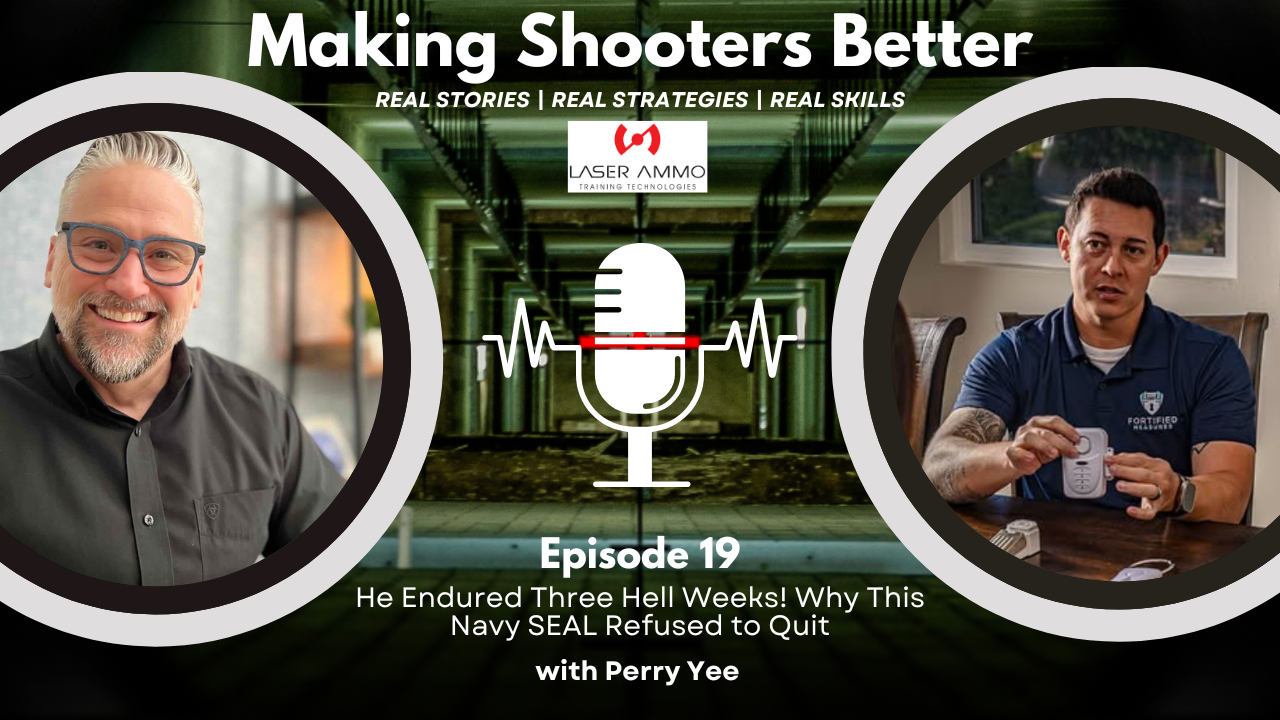
In this episode of Making Shooters Better, former Navy SEAL Perry Yee shares a powerful story of persistence, humility, and purpose. From entering the military with no firearms background to enduring three Hell Weeks during BUD/S training, Perry’s journey challenges the way most people think about toughness.
An Unlikely Start
Perry didn’t grow up around firearms or military culture. In fact, he didn’t even shoot his first firearm until just months before enlisting. His decision to pursue one of the most demanding training pipelines in the world came from a simple question:
- What is the hardest thing I can do?
That mindset—paired with a desire to prove something to himself—set the foundation for everything that followed.
Three Hell Weeks and the Reality of Resilience
Most people will never experience anything close to BUD/S training. Perry went through Hell Week not once, but three times due to serious injuries and illness.
- Nerve damage that caused loss of arm movement
- Pneumonia that led to collapse mid-training
- Stress fractures and chronic physical breakdown
Despite these setbacks, he kept coming back.
What made the difference?
It Wasn’t Physical Strength
Perry explains that the biggest misconception about elite performers is that they are physically superior. In reality, success comes down to mindset.
- Staying present, one evolution at a time
- Having a clear “why” that outweighs discomfort
- Accepting pain as part of the process
As he puts it, BUD/S is incredibly hard—but also simple. You show up, follow instructions, and refuse to quit.
The Role of Humor Under Pressure
One of the most overlooked tools in high-stress environments is humor.
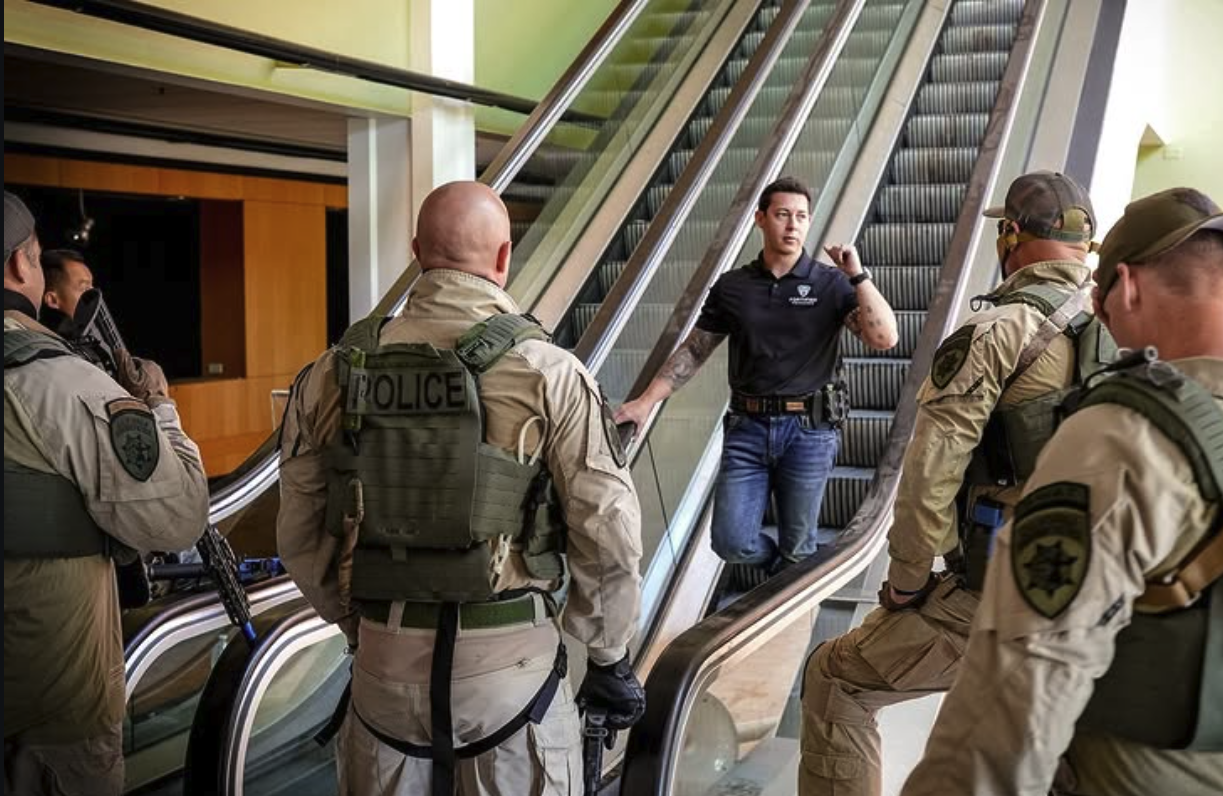
Whether in training or in combat, Perry describes how teammates constantly joke, quote movies, and keep things light—until it’s time to switch on and focus.
This ability to move between relaxed and fully engaged is a key part of performing under pressure.
Lessons from Deployment
During Operation Enduring Freedom, Perry experienced the realities of combat and the stark contrast between life at home and life overseas.
Two major takeaways stand out:
- How much we take for granted in everyday life
- The importance of perspective in difficult environments
These experiences reinforced the importance of service and shaped how he approaches life after the military.
Life After Service: Continuing the Mission
After leaving the military, Perry didn’t step away from service—he expanded it.
Active Valor
A nonprofit that pairs veterans with children of fallen heroes, providing long-term mentorship and support.
Fortified Measures
A training company focused on practical, personalized home defense for everyday families.
His mission is simple: help people become more capable, more confident, and more prepared to protect what matters most.
Home Defense Starts with Mindset
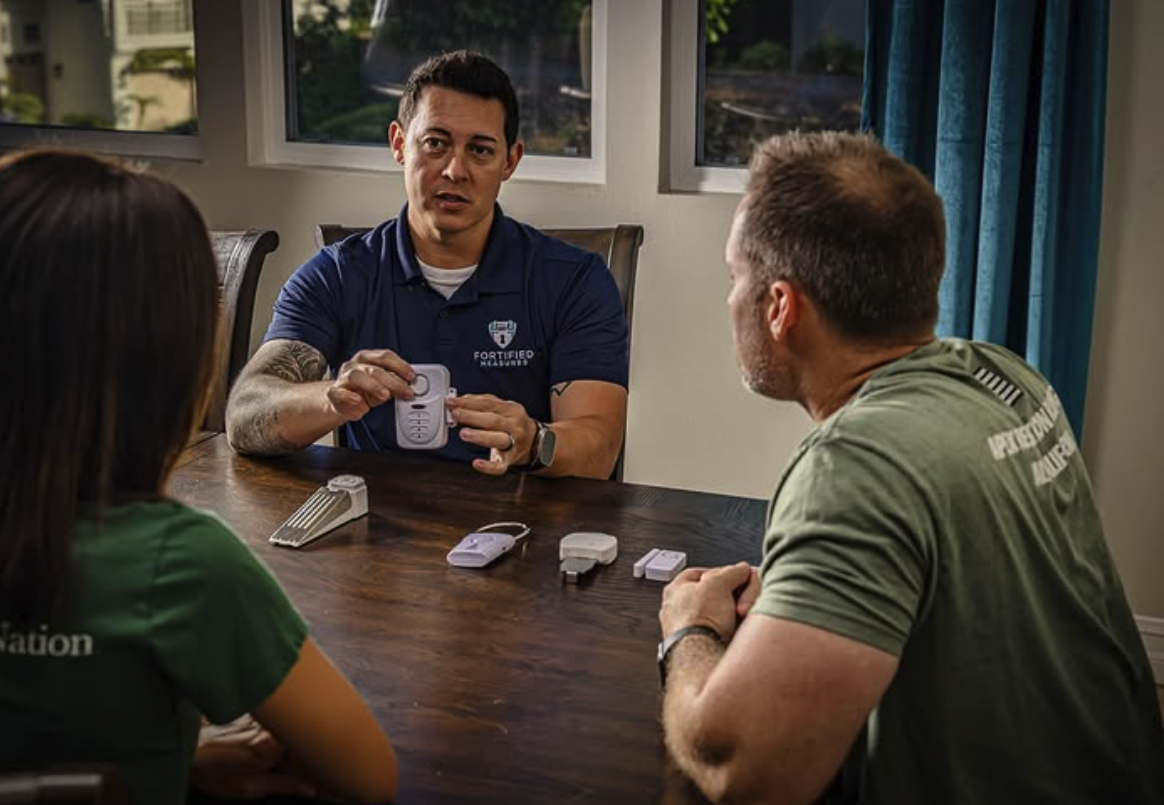
One of the most valuable parts of this conversation is Perry’s approach to home defense.
Instead of focusing on tactics or gear first, he emphasizes decision-making and preparation.
Key Principles
- Avoid unnecessary risk whenever possible
- Use your environment to your advantage
- Focus on protecting people—not possessions
- Understand the legal and emotional aftermath of decisions
He also highlights simple, practical steps that can improve safety immediately:
- Improve lighting and visibility around your home
- Use visible deterrents like cameras or signage
- Reinforce entry points with simple hardware upgrades
- Identify a safe, defensible position inside your home
These are small changes that can make a meaningful difference.
Understanding Stress and Performance
Another important takeaway is how people respond under pressure.
Even highly trained individuals experience fear, adrenaline, and hesitation. The difference is how quickly they process it and act.
Training that includes realistic stress—such as force-on-force scenarios—can help bridge that gap.
This reinforces an important idea:
- Skill is built through experience
- Confidence comes from preparation
- Awareness is the foundation of safety
Watch the Full Conversation
This episode offers a rare look into the mindset behind resilience, service, and responsible protection. From the realities of elite military training to practical lessons for everyday life, Perry Yee shares insights that apply far beyond the battlefield.
If you want to better understand how to perform under pressure, think clearly in difficult moments, and take ownership of your safety, this is a conversation worth watching.
Be sure to watch the full episode and subscribe to Making Shooters Better for more conversations focused on building real-world skills safely and responsibly.
Follow Perry Yee and learn more about his work through Active Valor and Fortified Measures.
Listen to More Episodes
You can listen to Making Shooters Better on your favorite podcast platform. Follow the show here:
- Buzzsprout: https://www.buzzsprout.com/2532363/follow
- Amazon Music https://music.amazon.com/podcasts/8156b69d-5ad9-46e9-9a4d-2baff1fbc9ef/making-shooters-better
- Apple Podcasts: https://podcasts.apple.com/podcast/id1849466402
- Spotify: https://open.spotify.com/show/5EhHThJEeV5QZ0QQn5n5CF
- Podcast Index: https://podcastindex.org/podcast/7559749
- Overcast: https://overcast.fm/itunes1849466402
- Castro: https://castro.fm/itunes/1849466402
- Podchaser: https://www.podchaser.com/podcasts/making-shooters-better-6264190
- Goodpods: https://www.goodpods.com/podcasts-aid/1849466402
- TrueFans: https://truefans.fm/65cb6a8a-c2eb-524e-b742-257cbe7bcfce
- Castbox: https://castbox.fm/vic/1849466402
- Podcast Addict: https://podcastaddict.com/podcast/making-shooters-better/6158896
- iHeartRadio: https://www.iheart.com/podcast/1333-making-shooters-better-303769503/
- Pandora: https://www.pandora.com/podcast
- TuneIn: https://tunein.com/podcasts/