



 Update
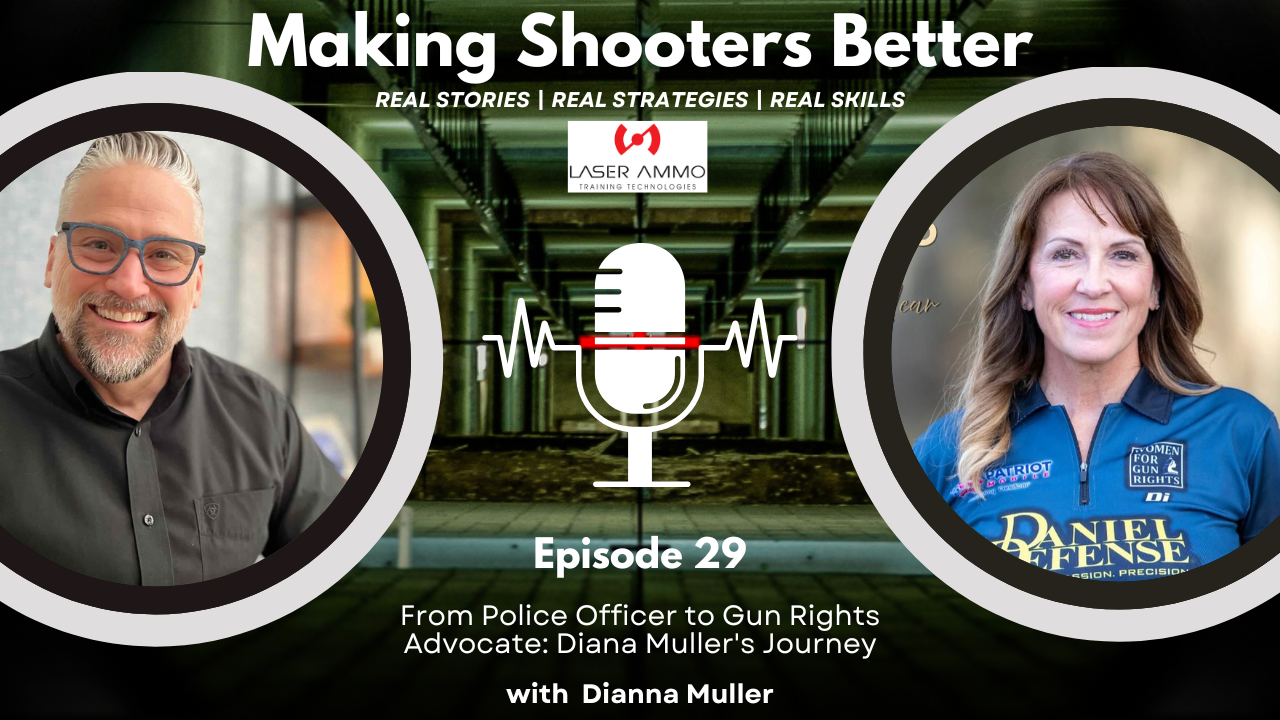
One of the hardest truths about personal safety is also one of the most important: you are your own first responder.
That idea makes people uncomfortable, especially when it comes from someone with more than two decades in law enforcement. Most people grow up assuming police will arrive, take control, and protect them when things go bad. Real life is not that tidy. Police are often minutes away when a violent encounter unfolds in seconds. And even more unsettling, there is no general legal duty requiring police to protect any particular individual from harm.
If more Americans understood that reality, they would think very differently about self-defense, firearms training, and the Second Amendment.
Why self-defense starts with accepting reality
After 22 years in law enforcement, Diana Muller has a blunt message: no one should build their safety plan around the assumption that somebody else will save them in time.
That does not mean police are unnecessary. It means they are not a magical shield. They respond after a call, after information is relayed, after location is confirmed, after someone is assigned, and after they physically get there. In a violent attack, that timeline is often too slow.
This is where the conversation usually shifts from abstract opinion to practical responsibility. If danger shows up at your door, in a parking lot, or inside your home, your awareness, your preparation, and your ability to respond may be all that stands between survival and tragedy.
That message is central to Diana's advocacy and to the work of Women for Gun Rights. The goal is not fearmongering. The goal is honesty. When people understand how much they are truly responsible for their own safety, the right to keep and bear arms stops being a talking point and becomes personal.
What 22 years in law enforcement teaches about violence
Diana's law enforcement career with the Tulsa Police Department gave her a front row seat to human behavior at its best, worst, and strangest.
Like many officers, she saw the full range of calls. One moment could involve something almost comical, like dealing with livestock or a loose animal. The next could involve homicide, gang retaliation, or serious drug crime. That kind of work strips away romantic ideas about danger and replaces them with a much more accurate picture of how chaotic and unpredictable life can be.
Her career moved through several assignments, including field work, street crimes, and gangs. Gang work in particular left a lasting impression because it required understanding patterns, relationships, loyalties, rivalries, and revenge cycles. In that environment, violence is not random in the way outsiders often imagine. It has a rhythm. It has players. It has signals. And if you know what to look for, you can often see the next move coming.
That experience sharpened her understanding of two things:
- Violence happens faster than most people expect.
- Ordinary people often have no idea how alone they really are in the moment it begins.
The myth that someone will always come in time
One of the most shocking parts of this conversation for many people is not just that police may arrive late, but that even when they are nearby, you still may have to solve the problem yourself.
Diana pointed to examples that have angered the public for years, including school attacks where armed officers failed to immediately confront the threat. The frustration is obvious. People assume failure to act must automatically mean punishment. Often, that is not how it works.
Another example drives the point home even more clearly. A homeowner hears glass breaking, grabs a firearm, and calls 911 because an armed intruder has entered the house. He ends up having to shoot the attacker himself. Only afterward does he learn that police were already at the neighboring home trying to apprehend that same suspect. They were physically close enough to be at his door almost immediately, and yet he still had to defend himself alone.
That story is not an argument against police. It is an argument against passivity.
Proximity does not guarantee protection. A badge nearby does not remove your responsibility. If a violent person chooses your house, your car, or your family, the burden lands on you first.
Why firearms matter, especially for women
Diana's work with Women for Gun Rights centers on a group that is too often talked down to in the gun debate: women.
The anti-gun movement has spent years using female voices to push gun control as the answer to safety. Women for Gun Rights argues the opposite. A woman who is trained, aware, and armed is not helpless. She is far more capable of stopping violence before it becomes fatal.
This is not theory. It is about understanding the physical realities of force.
A firearm is the great equalizer. It helps level the playing field when size, strength, numbers, or surprise are stacked against you. That matters for everyone, but it matters profoundly for women, who are often targeted by stronger attackers.
Diana and Terry discussed what many self-defense instructors eventually discover: hand-to-hand skills are valuable, but they are not magic. Awareness matters. Fitness matters. Technique matters. But if a larger attacker gets the jump on you, or if there is more than one, or if a weapon is involved, the situation changes fast.
A powerful example from force-on-force training
One story illustrates this better than any abstract argument. During a Women for Gun Rights training event in Florida, former MMA world champion Miesha Tate participated in scenario work. In one scenario, two men simply grabbed her and carried her away.
This was not a commentary on her toughness or ability. It was the opposite. Here was an elite fighter, someone with years of combat experience, strength, athleticism, and composure, and she still came away with a new appreciation for how quickly physical control can be taken from a person.
That is the whole point.
Anybody can be outnumbered. Anybody can be overpowered. Anybody can be surprised.
Even highly trained people understand this. In fact, the best trained people are often the most humble about it. They do not assume they are unbeatable. They know that a good ambush, surprise, and aggressive violence can erase a lot of advantages.
Situational awareness is still the first layer of defense
None of this means every problem should be solved with force. The best outcome is always to avoid the fight if possible.
Situational awareness remains the first and most important defensive skill. Paying attention to your surroundings, recognizing pre-attack indicators, staying off your phone, noticing unusual movement, and making smart choices about where you go and how you move can prevent many incidents before they start.
But awareness is not always enough. Sometimes the world chooses the time, place, and method for you. Criminals often have the initiative. They choose when to strike. They choose whether they act alone or in groups. They choose whether they use deception, speed, or brute force.
That is why Diana's message is layered, not simplistic:
- Avoid conflict when you can.
- Stay aware.
- Train realistically.
- Be armed if you are legally able and willing.
- Take responsibility for your own safety.
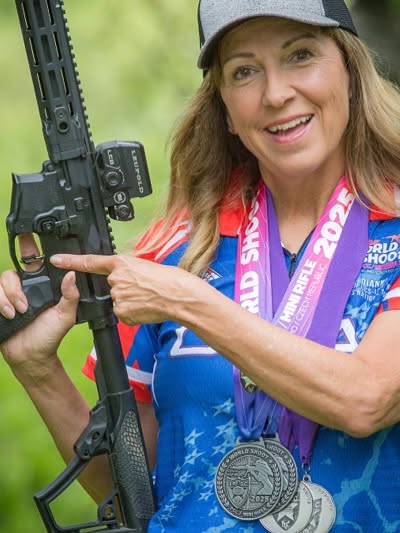
How Diana got started with firearms
Diana grew up around guns. Her father was also in law enforcement, so firearms were a normal part of life early on. The rules were simple and direct. Guns were present, and safety was expected.
She first started shooting at a young age, probably around ten, and by her mid-teens she felt proficient. Her early experience included revolvers and hunting with a Thompson/Center Contender chambered in .357 Magnum.
Her first hunting experiences also taught her something important: she was more interested in shooting than in taking animal life. The mechanics, skill, and discipline of marksmanship appealed to her. The emotional side of hunting, especially after her first successful shot, did not.
That opened the door to competition. Her father introduced her to the shooting sports, and she eventually attended an early class connected to practical shooting. For a long time, though, firearms remained secondary. Horses were a much bigger part of life. She grew up riding, competing, and barrel racing.
Only later did shooting become the main path.
From revolvers to 3-gun competition
Diana's route into 3-gun competition happened gradually. She started with revolvers and pistols, gained shotgun experience, trained with rifles, and then spent years in law enforcement carrying and working with all three weapon systems.
By the time she discovered 3-gun in 2009, it fit perfectly. For anyone unfamiliar with the sport, 3-gun is one of the most dynamic forms of competitive shooting. It typically involves:
- Pistol
- Rifle
- Shotgun
Stages can require transitions between all three, sometimes under movement, sometimes with one firearm slung while another is in use. There is no single standard course of fire, which is one reason Diana enjoys it so much. The variety keeps it fresh. Every stage presents a different problem to solve.
She describes 3-gun as the extreme sport of the shooting world, and that is fair. It is fast, technical, gear intensive, and mentally demanding.
Why 3-gun has grown so much
When Diana first entered the sport, there were only a handful of major matches around the country. Since then, it has exploded. There are now far more opportunities to compete regionally, and shooters no longer need to travel coast to coast just to find a serious match.
That growth matters because 3-gun pulls together people from different backgrounds:
- Hunters
- Practical pistol shooters
- Law enforcement and military shooters
- Recreational gun owners looking for a challenge
And the sport gives them something many shooting disciplines cannot: a chance to use multiple platforms in one event and solve constantly changing shooting problems.
If you are curious about 3-gun, start simple
Three-gun can look intimidating because the equipment list gets long quickly. But Diana's advice is refreshingly practical: bring what you already own.
You do not need a race setup on day one. If you have hunting guns in the safe, start there. The bigger goal is getting experience, learning safe gun handling under light stress, and becoming part of the community.
She also sees huge potential in connecting more hunters to the shooting sports. Even a small percentage of hunters stepping into competition would be a major boost for the firearms community, for industry support, and for overall gun proficiency.
How to get into 3-gun or practical shooting
Unlike some sports, 3-gun does not have one single governing body that organizes everything in a neat, centralized way. Many events are essentially independent matches that follow similar rules, which is why they are often called outlaw matches.
That can make the sport feel harder to enter from the outside, but there are still clear ways in.
Best ways to find local three-gun matches
- Check PractiScorefor match listings, signups, scoring, and club communication.
- Contact local shooting ranges and ask whether they host multi-gun, 3-gun, or practical shooting events.
- Search Facebook groups for local and regional 3-gun communities.
- Look into USPSA multigun events if you want a more formal competition structure.
The smartest first step is not always shooting
Diana recommends something that a lot of people overlook: go help before you go compete.
Volunteer at a match. Reset targets. Help with scorekeeping. Observe how the range is run. Meet the regulars. Ask questions. Watch what gear people use. Most shooters are generous with their time and information, and many will happily help a newcomer avoid expensive mistakes.
The shooting sports community is one of the most supportive communities in the country. That surprises people who only know firearms through media stereotypes.
In reality, competitive shooters tend to be deeply serious about safety, eager to mentor, and far more welcoming than outsiders expect.
The truth about gun owners and gun culture
There is a huge disconnect between how gun owners are often portrayed and what they are actually like.
Naysayers claim firearm owners are reckless, unstable, aggressive, and obsessed with violence. Diana's experience has been the exact opposite. The people she knows in law enforcement, professional shooting, training, and the broader firearms world are overwhelmingly responsible, safety conscious, and generous.
And if someone handles a gun carelessly, the community notices. Safety violations get called out. Standards matter. That culture of accountability is one of the least understood parts of the firearms world.
She also points to a deeper problem: American culture often demonizes firearms while glorifying gun violence in entertainment. Hollywood and parts of the music industry make fortunes dramatizing weapons and violent action, then turn around and frame ordinary, lawful gun ownership as suspicious or immoral.
That mixed message has done real damage. It has distorted public perception and made it harder to normalize lawful gun ownership, training, and education.
What Women for Gun Rights is trying to do differently
Women for Gun Rights was built to reach people legacy gun rights organizations often struggle to reach, especially those in the political middle or left of center.
This is not because groups like the NRA, GOA, or the Second Amendment Foundation are unimportant. Diana is clear that they do valuable work and need to keep doing it. But different audiences respond to different messengers.
Women for Gun Rights speaks in a way that resonates with people who may not connect with traditional gun politics. The conversation starts with safety, responsibility, family, and the practical reality of self-defense.
The organization argues that women are not safer when disarmed. They are safer when educated, trained, and empowered.
The challenge: competing with a massive gun control machine
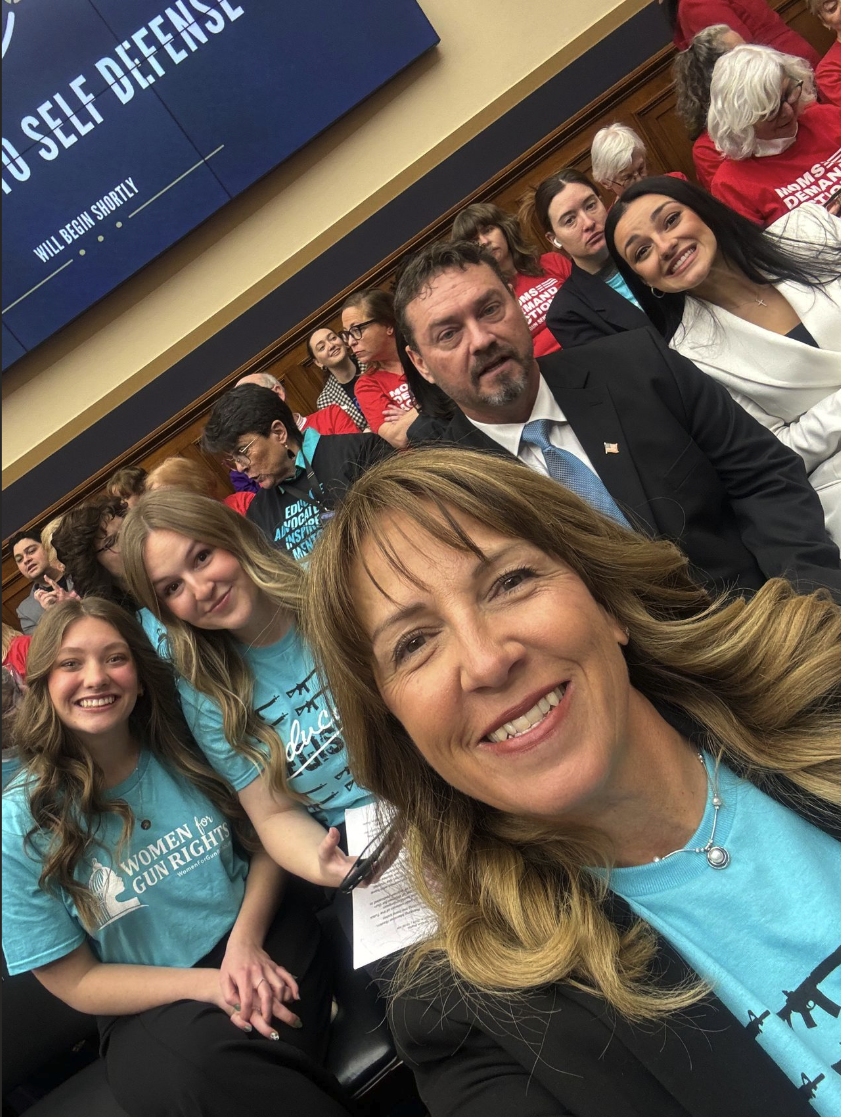
Diana describes one of the biggest opponents as Moms Demand Action, a Bloomberg-backed organization with enormous financial resources. She puts that annual budget at roughly $60 million.
That kind of money buys reach, coordination, messaging, staffing, and political pressure. It also helps drive emotionally charged narratives, especially around children and firearms.
One example she highlights is the repeated claim that guns are the leading cause of death for kids. The problem, she argues, is that the statistic is presented in a misleading way. It typically includes 18 and 19-year-old adults involved in criminal violence while excluding infant mortality, producing a result designed to push a political conclusion.
That is part of the broader frustration. Gun control advocates often benefit from favorable media coverage and social media amplification, while pro-Second Amendment voices deal with censorship, suppression, and reduced visibility.
That is exactly why Women for Gun Rights sees its mission as so important.
A political strategy built on education, not legislation
Diana's preferred answer to violence is not more restrictions piled onto lawful citizens. It is more education.
That approach is summed up in one of the organization's slogans: Educate, not legislate.
She even argued that instead of simply eliminating the federal Office of Gun Violence Prevention, it should have been repurposed into something like an office of firearms education and violence prevention. Her reasoning was straightforward: if the government is willing to pour money into shaping state laws and public messaging, then that energy should be redirected toward something that actually improves safety, such as gun education, training, and responsible ownership.
She also wants stronger coordination across the pro-Second Amendment world, including the possibility of a dedicated Second Amendment council to help align strategy and focus efforts more effectively.
From her perspective, too many groups are fighting in parallel rather than truly rowing together.
How Women for Gun Rights is growing
One major development is the organization's new paid membership program. For the first time, it has a recurring membership model with different tiers, designed not just to raise funds but to offer real value back to supporters.
Membership levels include:
- $50 per year
- $100 per year
- $200 per year
Each tier includes a signature T-shirt, and the upper tiers also include automatic entries into monthly raffles with substantial prizes. The intent is to create a sustainable revenue stream while giving members a tangible return.
That matters because relying only on the firearms industry has limits, especially during periods when political conditions affect buying behavior and overall industry momentum slows.
The Women for Gun Rights National Summit in Washington, DC
For years, the organization's trips to Washington were focused mainly on state directors and internal leadership. That is changing.
The upcoming National Summit is opening the experience to a much larger audience, including both women and men. That means more people on Capitol Hill, more visibility, and more opportunities for everyday supporters to participate directly in advocacy.
What the summit includes
- A gala at the Hilton on Capitol Hill
- A conference at the Capitol Hill hotel
- A public rally on the Capitol lawn
- A coordinated public demonstration at Union Station
- Large group presence in congressional spaces
- Meetings with legislators and staff on Second Amendment policy
One especially creative idea is a flash mob at Union Station built around the National Anthem and a public recitation of the Second Amendment. It is designed to be memorable, visible, and unapologetically patriotic.
The summit is about more than symbolism, though. It is about putting disciplined, articulate, pro-Second Amendment voices in front of lawmakers and making sure they are seen in numbers.
Lessons from competition that apply beyond the range
Diana's life in competition, law enforcement, and advocacy all intersect around a few common themes:
- Competence matters.
- Humility matters.
- Preparation matters.
- Relationships matter.
That last point shows up clearly when people ask how to get sponsored in the shooting sports.
How to get sponsored as a competitive shooter
A lot of shooters dream about sponsorships, but most approach it backward. They ask companies for free guns or ammunition without offering any meaningful value in return.
Diana's answer is simple: sponsorship is about relationships and return on investment.
If a company sponsors you, it is not making a charitable donation. It is investing in someone who can help market its products and represent its brand well.
What companies are actually looking for
- Someone already using and believing in the product
- Someone who can create useful content
- Someone with an audience or growing platform
- Someone who is articulate in interviews and public settings
- Someone kind, professional, and easy to trust
- Someone who understands they represent the brand, not just themselves
Being a great shooter helps, of course. But it is not enough by itself. Plenty of excellent shooters bring little marketing value because they focus only on match results and ignore communication, content, and professionalism.
Diana and her husband now do this full time, which means every part of their presence carries value for sponsors. Their trailer acts as a moving billboard. Their appearances, interviews, match performances, and social media all contribute to the partnership.
She also stresses something many people neglect: if a company supports you, you should regularly report back with what you have done for them. Sponsors are busy. If you create value, document it and deliver it in a form they can actually use.
Good manners still matter
One of Diana's strongest points had nothing to do with shooting skill.
She wants people in the shooting sports to remember that matches are not only populated by hardened veterans, cops, and seasoned competitors. New shooters show up. Teenagers show up. Church kids show up. Families show up.
If you wear a company logo on your shirt, you represent more than yourself. That includes your language, your attitude, and how welcoming you are to newcomers.
That kind of maturity is part of being truly professional.
Why voting with your dollars matters
Diana also makes the case that gun owners should support companies that openly support their values. If a business backs the Second Amendment, funds pro-gun advocacy, or helps build the firearms community, then it makes sense to reward that with loyalty.
In her view, this is part of a broader strategy. The Second Amendment community cannot afford to think only in terms of elections. It also has to think in terms of economics, influence, and sustained support.
The bigger message
Diana Muller's voice carries weight because it comes from several worlds at once: law enforcement, competitive shooting, firearms instruction, and political advocacy.
But the core message is not complicated.
You are responsible for your own safety.
That truth should not create panic. It should create clarity.
It should push people to learn, train, think, prepare, and take their rights seriously. It should push women in particular to reject the lie that dependence is safety. And it should push the broader gun community to become better at communicating with the Americans who have still never heard this message in a way they can receive it.
Because once someone truly understands that no one is guaranteed to arrive in time, the conversation changes.
Then the Second Amendment is no longer abstract.
It becomes immediate.
It becomes practical.
It becomes personal.
How to support Women for Gun Rights
If this message resonates, the next step is straightforward:
- Visit WomenForGunRights.org
- Consider becoming a member
- Look into attending the National Summit in Washington, DC
- Share the message that education, training, and lawful self-defense save lives
For people who care about the future of the Second Amendment, that kind of support puts real fuel in the tank.
Watch the Full Conversation
This episode offers a thoughtful look at firearms, personal responsibility, competition, and advocacy through Dianna Muller’s unique experience. From law enforcement lessons to 3-Gun competition and Women for Gun Rights, the conversation is practical, honest, and worth watching in full.
Watch the episode on Laser Ammo’s YouTube channel, subscribe for more Making Shooters Better conversations, and follow Dianna and Women for Gun Rights to stay connected with their work.
Follow Dianna Muller and Women for Gun Rights
- Dianna Muller Instagram: https://www.instagram.com/di.muller/
- Women for Gun Rights Instagram: https://www.instagram.com/womenforgunrights/
- Women for Gun Safety Instagram: https://www.instagram.com/womenforgunsafety/
- Facebook: https://www.facebook.com/Di3GunGirl
- Website: https://womenforgunrights.org
- X: https://twitter.com/women4gunrights
Listen to More Episodes
You can listen to Making Shooters Better on your favorite podcast platform. Follow the show here:
- Buzzsprout: https://www.buzzsprout.com/2532363/follow
- Amazon Music https://music.amazon.com/podcasts/8156b69d-5ad9-46e9-9a4d-2baff1fbc9ef/making-shooters-better
- Apple Podcasts: https://podcasts.apple.com/podcast/id1849466402
- Spotify: https://open.spotify.com/show/5EhHThJEeV5QZ0QQn5n5CF
- Podcast Index: https://podcastindex.org/podcast/7559749
- Overcast: https://overcast.fm/itunes1849466402
- Castro: https://castro.fm/itunes/1849466402
- Podchaser: https://www.podchaser.com/podcasts/making-shooters-better-6264190
- Goodpods: https://www.goodpods.com/podcasts-aid/1849466402
- TrueFans: https://truefans.fm/65cb6a8a-c2eb-524e-b742-257cbe7bcfce
- Castbox: https://castbox.fm/vic/1849466402
- Podcast Addict: https://podcastaddict.com/podcast/making-shooters-better/6158896
- iHeartRadio: https://www.iheart.com/podcast/1333-making-shooters-better-303769503/
- Pandora: https://www.pandora.com/podcast
- TuneIn: https://tunein.com/podcasts/