



 Update
In this episode of Making Shooters Better, host Terry Vaughan sits down with John Allen, a security expert whose career spans special operations, presidential advisory roles, international negotiations, and threat assessment work around the world.
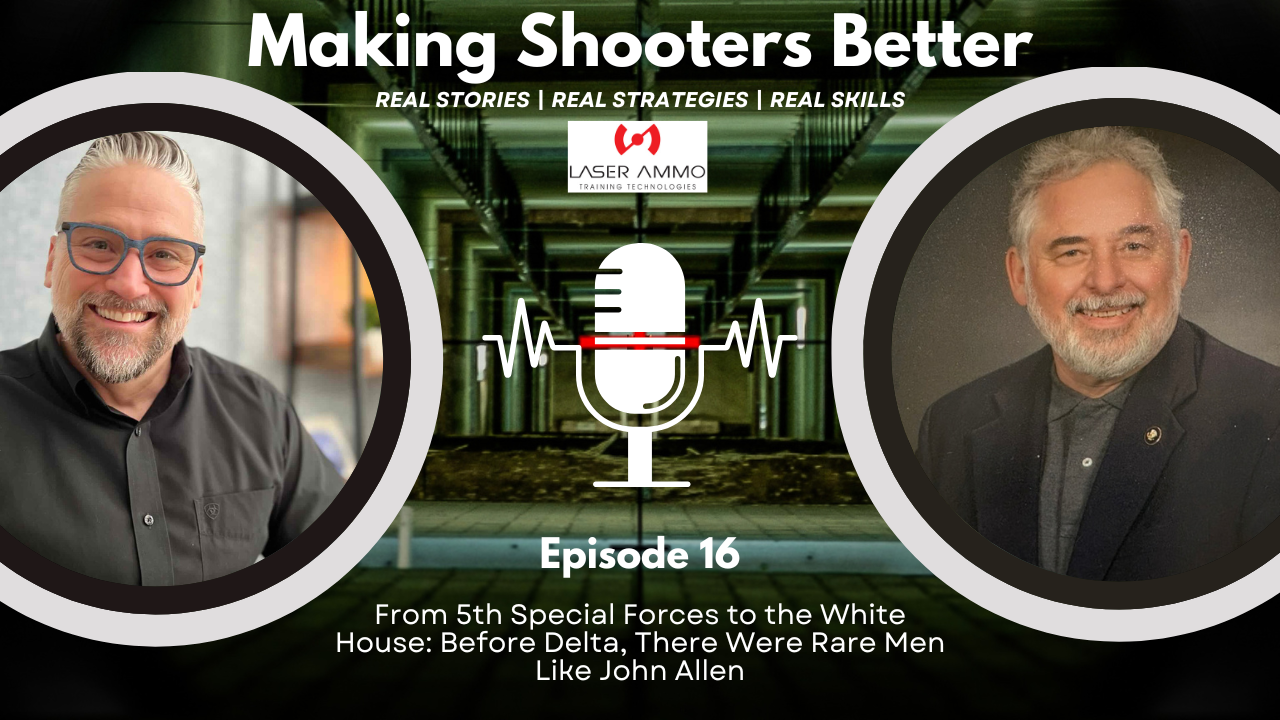
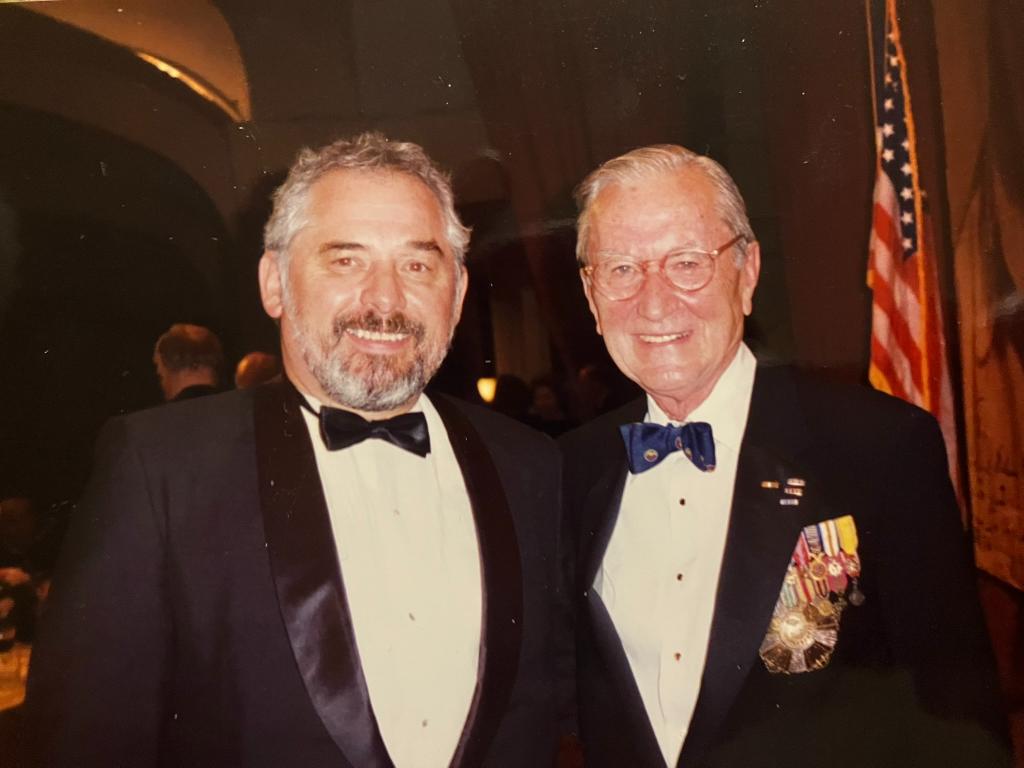
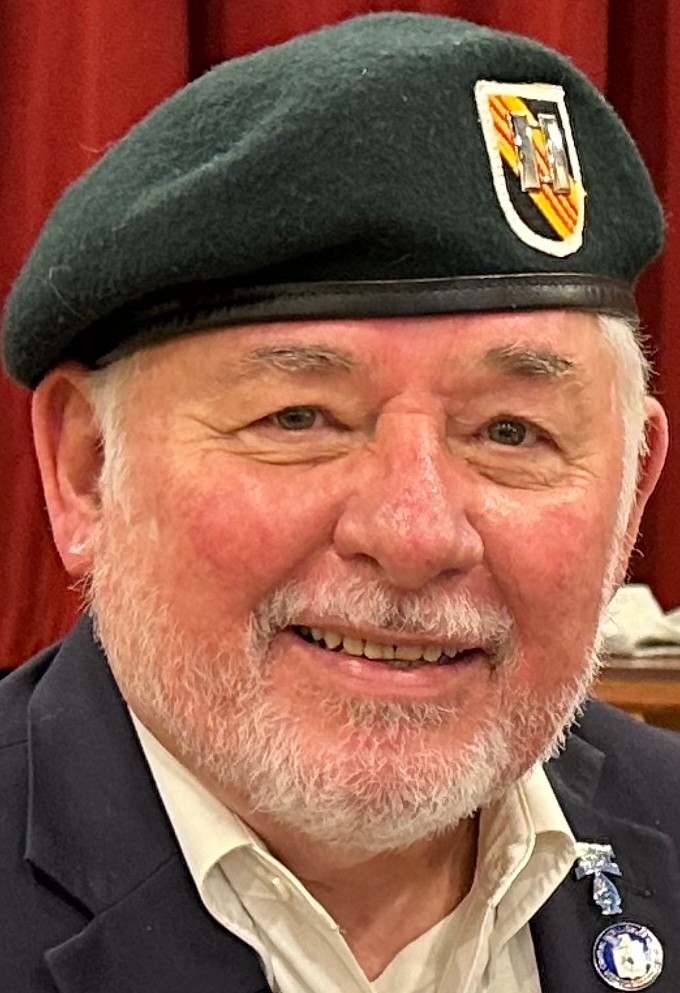
John served with the 5th Special Forces Group and later worked inside the White House as Special Assistant to President Ronald Reagan. Over the years, he has advised multiple presidential administrations while building security strategies for military units, law enforcement agencies, and organizations operating in complex environments.
During this conversation, John shares the lessons decades of real-world experience have taught him about awareness, preparation, and training. These insights apply not only to professionals in security roles but also to responsible shooters and everyday citizens who want to improve their personal safety habits.
A Career Shaped by High-Level Security Experience
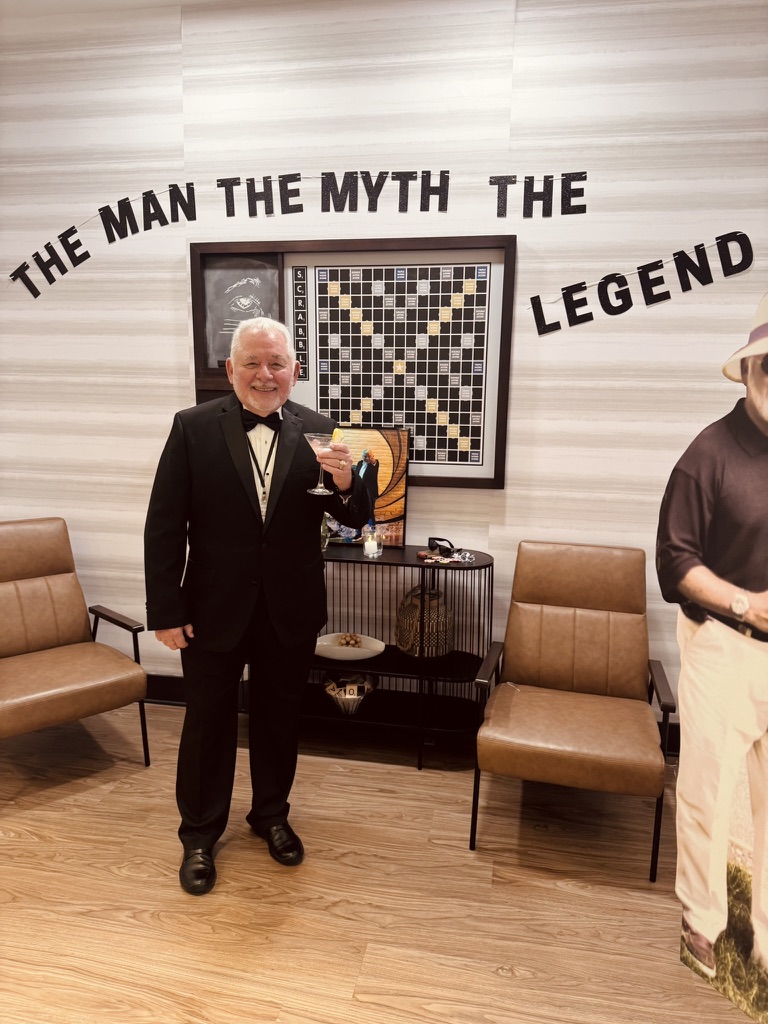
John Allen’s professional background is unusually diverse. His work has taken him from military service to the White House and into international negotiations across more than forty countries.
That range of experience gives him a unique perspective on how threats develop and how people can prepare for them.
- Service with 5th Special Forces Group
- Special Assistant to President Ronald Reagan
- Advisor to multiple U.S. administrations
- International negotiations in high-risk environments
- Security consulting and threat assessment for government and private organizations
Each stage of his career reinforced the same lesson: preparation and awareness consistently outperform reaction.
Situational Awareness as a Daily Habit
One of the central themes of the conversation is the importance of situational awareness. Rather than viewing awareness as a special skill reserved for professionals, John explains that it is a habit anyone can develop.
Simple behaviors can dramatically improve personal safety in everyday environments such as restaurants, airports, schools, or public events.
- Take note of entrances and exits when entering a new space
- Observe people who appear out of place or behave unusually
- Maintain awareness of personal space and movement around you
- Avoid distractions that limit your ability to observe your surroundings
These small habits help individuals recognize problems sooner and create more options for responding safely.
The Role of Contingency Planning
Planning ahead is another critical concept discussed in the episode. According to John, many emergencies escalate because people have never considered what they would do if something unexpected happened.
Contingency planning does not need to be complicated. It often starts with simple questions.
- If one exit becomes blocked, where is the next route?
- How would family members reconnect during an emergency?
- Who takes responsibility for communication or helping others?
- What tools or resources are available in the immediate environment?
Thinking through these possibilities ahead of time allows individuals and organizations to act faster when a real situation unfolds.
Training That Reflects Real Conditions
Throughout the conversation, John emphasizes the importance of meaningful training. Real preparedness comes from repetition and exposure to realistic scenarios.
Training should challenge shooters to think, move, and make decisions rather than simply perform static drills.
- Practice decision-making under time pressure
- Train after physical activity to simulate stress
- Use scenario-based drills to build judgment
- Incorporate dry-fire technology to increase practice opportunities
Dry-fire systems allow shooters to safely build repetition and decision-making skills without the expense or logistics of live fire. When used correctly, these tools can significantly increase training consistency.
Protecting Schools, Churches, and Public Spaces
Another important part of the discussion focuses on protecting institutions such as schools, churches, and large public venues.
John explains that many vulnerabilities exist simply because facilities have not been evaluated from a threat perspective.
Several practical improvements can significantly increase safety:
- Layered security planning rather than relying on a single measure
- Proper monitoring of surveillance systems
- Clear communication protocols during emergencies
- Thoughtful use of trained security personnel where appropriate
The goal is not to create fear or turn buildings into fortresses, but to reduce easy opportunities for attackers while improving response coordination.
Addressing Global Threats Like Human Trafficking
The conversation also touches on a growing global concern: human trafficking and exploitation. John shares insights from his international work and explains how organized criminal networks operate across borders.
While this topic extends beyond everyday personal safety, awareness and education remain important tools for communities trying to identify suspicious behavior and protect vulnerable populations.
Building Awareness for the Next Generation
John encourages parents and instructors to begin teaching awareness early. Children and young adults benefit from learning simple observation skills that help them understand their environment.
These lessons do not need to be dramatic or frightening. Small exercises can help build confidence and attentiveness over time.
- Practice identifying exits in public spaces
- Encourage observation of surroundings during everyday activities
- Discuss safety plans calmly and clearly
- Reinforce responsible decision-making
Over time, these habits help young people develop the same situational awareness that experienced professionals rely on.
Watch the Full Conversation
This episode of Making Shooters Better offers a rare opportunity to hear practical security insights from someone who has operated at the highest levels of government and international negotiations. John Allen’s stories are compelling, but the real value comes from the lessons he shares about awareness, preparation, and training.
Watch the full episode to hear more about John’s experiences working with President Reagan, advising global leaders, and teaching professionals how to evaluate risk and respond effectively under pressure. The conversation provides valuable perspective for shooters, instructors, and anyone interested in improving their personal safety habits.
Listen to More Episodes
You can listen to Making Shooters Better on your favorite podcast platform. Follow the show here:
- Buzzsprout: https://www.buzzsprout.com/2532363/follow
- Amazon Music https://music.amazon.com/podcasts/8156b69d-5ad9-46e9-9a4d-2baff1fbc9ef/making-shooters-better
- Apple Podcasts: https://podcasts.apple.com/podcast/id1849466402
- Spotify: https://open.spotify.com/show/5EhHThJEeV5QZ0QQn5n5CF
- Podcast Index: https://podcastindex.org/podcast/7559749
- Overcast: https://overcast.fm/itunes1849466402
- Castro: https://castro.fm/itunes1849466402
- Podchaser: https://www.podchaser.com/podcasts/making-shooters-better-6264190
- Goodpods: https://www.goodpods.com/podcasts-aid/1849466402
- TrueFans: https://truefans.fm/65cb6a8a-c2eb-524e-b742-257cbe7bcfce
- Castbox: https://castbox.fm/vic/1849466402
- Podcast Addict: https://podcastaddict.com/podcast/making-shooters-better/6158896
- iHeartRadio: https://www.iheart.com/podcast/1333-making-shooters-better-303769503/
- Pandora: https://www.pandora.com/podcast
- TuneIn: https://tunein.com/podcasts/