



 Update
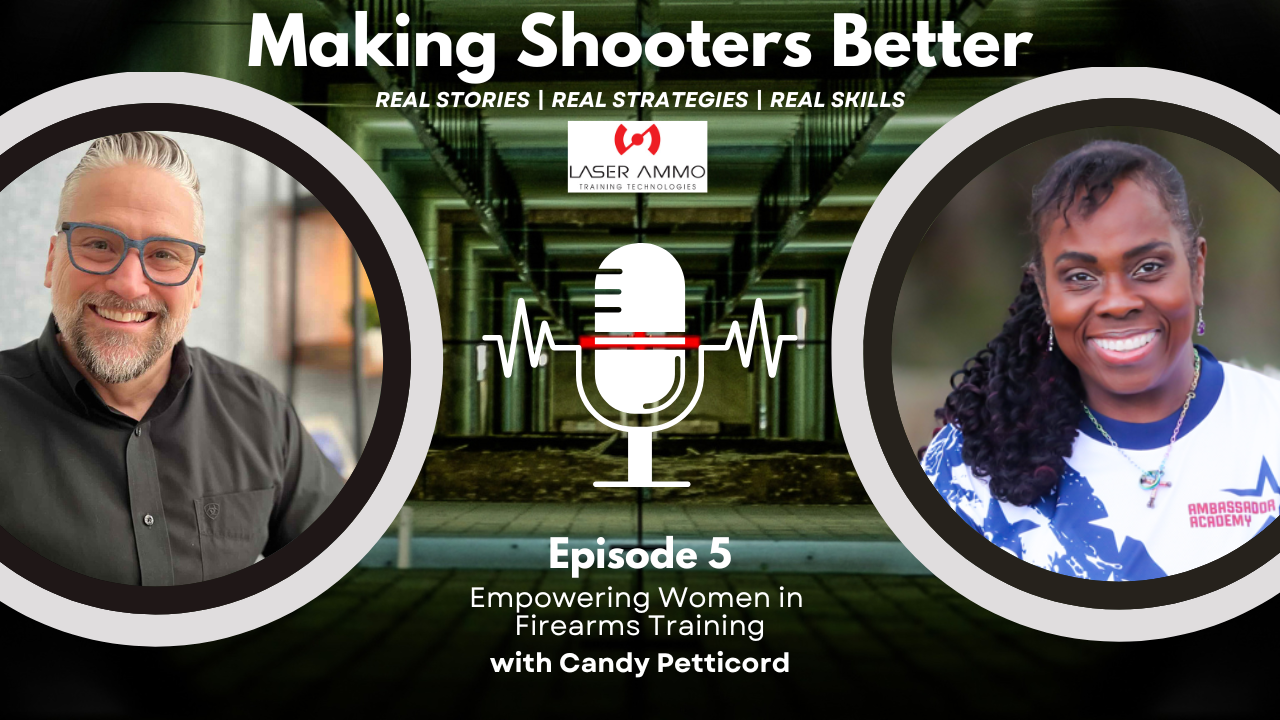
Women stepping into firearms training often arrive with a mix of curiosity, caution, and a real desire to take ownership of their safety. In this episode, instructor Candy Petticord shares her journey and the principles she uses to help new shooters build confidence through practical skills and thoughtful mindset development. Her approach is centered on safety, clarity, and empowering students to understand not just what to do, but why it matters.
Why Quality Instruction Makes All the Difference
Not all training environments build lasting skill. Candy highlights why safety, hands-on practice, and a learning-focused atmosphere are essential for new shooters. Cutting corners in instruction can create gaps that later become safety concerns or confidence barriers.
Key indicators of solid training include:
• Safe, structured hands-on work
• Opportunities for students to manipulate their own firearm
• Drills that reflect real-world application
• Instructors who continue their own education
Candy emphasizes that good instruction should adapt to the individual, meeting students where they are and providing clear reasoning behind every technique.
Choosing an Instructor Who Fits
The right instructor helps a student grow at a sustainable pace. Candy notes that the best educators explain concepts thoroughly, offer variations for physical differences, and encourage thoughtful questions. Women in particular often learn best when they feel supported and understand the purpose behind each step.
What to Look For
• Reasoning paired with technique
• Options for different body types or limitations
• Space for questions and problem-solving
The relationship between instructor and student influences whether a shooter builds lasting confidence or leaves with uncertainty.
Training Is a Perishable Skill
Firearms handling changes over time, and outdated habits can lead to injury or ineffective technique. Candy stresses the importance of continuous learning — even for instructors. Adjustments like avoiding locked elbows help shooters maintain longevity and reduce strain.
Regular training keeps skills sharp, improves handling efficiency, and builds familiarity with equipment.
Practical Guidance for CCW Holders
Getting a concealed carry permit is a milestone, but it’s only the beginning. Candy encourages carriers to continue practicing fundamental tasks such as loading, unloading, drawing safely, and reinforcing sight alignment and trigger control.
Helpful habits include:
• Dry-fire practice in a safe environment
• Regular range sessions for consistency
• Working through simple, repeatable handling drills
• Learning gross-motor slide techniques when needed
Having the right equipment matters too — reliable platforms and defendable calibers contribute to safer, more effective defensive readiness.
Building Confidence Through Competence
Repetition forms the foundation of real confidence. Candy encourages shooters to make key motions automatic so they remain accessible under stress. For those who struggle with certain movements, alternatives such as gross-motor slide manipulation or proper use of environmental edges can create safer, more achievable mechanics.
Strengthening Mental Preparedness
Candy explains that when something unexpected happens, the mind can freeze before the body responds. Planning reduces that delay. Through scenario thinking, students can mentally rehearse realistic challenges and create backup strategies for moments when things don’t go as planned.
Primary planning examples include:
• Identifying safe spaces in frequently visited locations
• Thinking through communication options
• Considering contingencies if equipment is inaccessible
Scenario training helps shorten hesitation and improves decision-making under pressure.
Training for Reality
Static targets have value, but real-world situations involve movement, communication, and unpredictability. Force-on-force and scenario-based training introduce friction that helps shooters make decisions in stressful conditions.
Practical routines Candy recommends:
• Daily dry-fire focus sessions
• Weekly firearm handling practice
• Monthly live-fire drills
• Quarterly scenario or stress-inoculation training
• Family discussions about roles and safety plans
Encouraging Women to Take Ownership of Their Safety
Candy’s message throughout the episode is clear: empowerment comes from preparation. Women should not rely solely on others for protection; personal safety is strengthened through knowledge, planning, and continuous skill development.
Watch the Full Conversation
This episode dives deeper into Candy’s teaching philosophy, tips for choosing quality training, and practical ways women can develop confidence with their firearm. Her insight provides both new and experienced shooters with guidance they can apply immediately. Watch the full conversation to explore her approach to empowerment, safety, and real-world readiness.
Follow the Guest
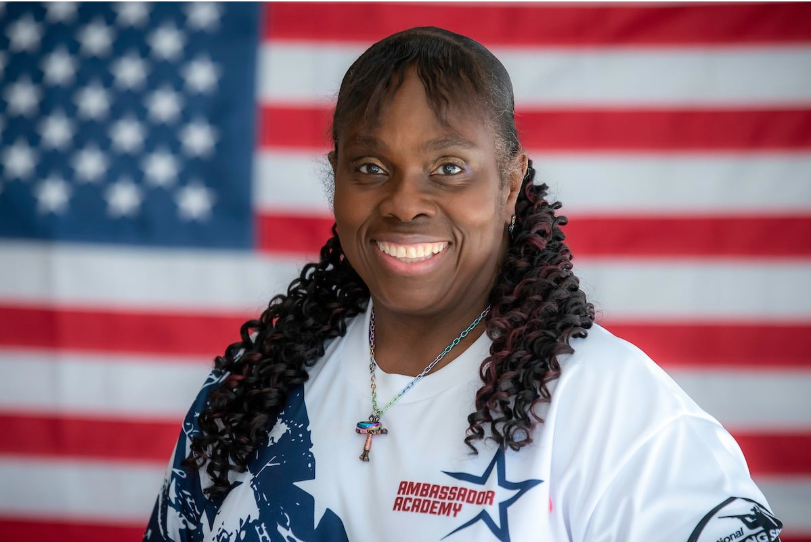
If you connected with Candy’s perspective, be sure to follow her work for more insight on supporting new shooters and building responsible firearms habits.
Listen to More Episodes
You can listen to Making Shooters Better on your favorite podcast platform. Follow the show here:
- Buzzsprout: https://www.buzzsprout.com/2532363/follow
- Amazon Music https://music.amazon.com/podcasts/8156b69d-5ad9-46e9-9a4d-2baff1fbc9ef/making-shooters-better
- Apple Podcasts: https://podcasts.apple.com/podcast/id1849466402
- Spotify: https://open.spotify.com/show/5EhHThJEeV5QZ0QQn5n5CF
- Podcast Index: https://podcastindex.org/podcast/7559749
- Overcast: https://overcast.fm/itunes1849466402
- Castro: https://castro.fm/itunes/1849466402
- Podchaser: https://www.podchaser.com/podcasts/making-shooters-better-6264190
- Goodpods: https://www.goodpods.com/podcasts-aid/1849466402
- TrueFans: https://truefans.fm/65cb6a8a-c2eb-524e-b742-257cbe7bcfce
- Castbox: https://castbox.fm/vic/1849466402
- Podcast Addict: https://podcastaddict.com/podcast/making-shooters-better/6158896
- iHeartRadio: https://www.iheart.com/podcast/1333-making-shooters-better-303769503/
- Pandora: https://www.pandora.com/podcast
- TuneIn: https://tunein.com/podcasts/