



 Update
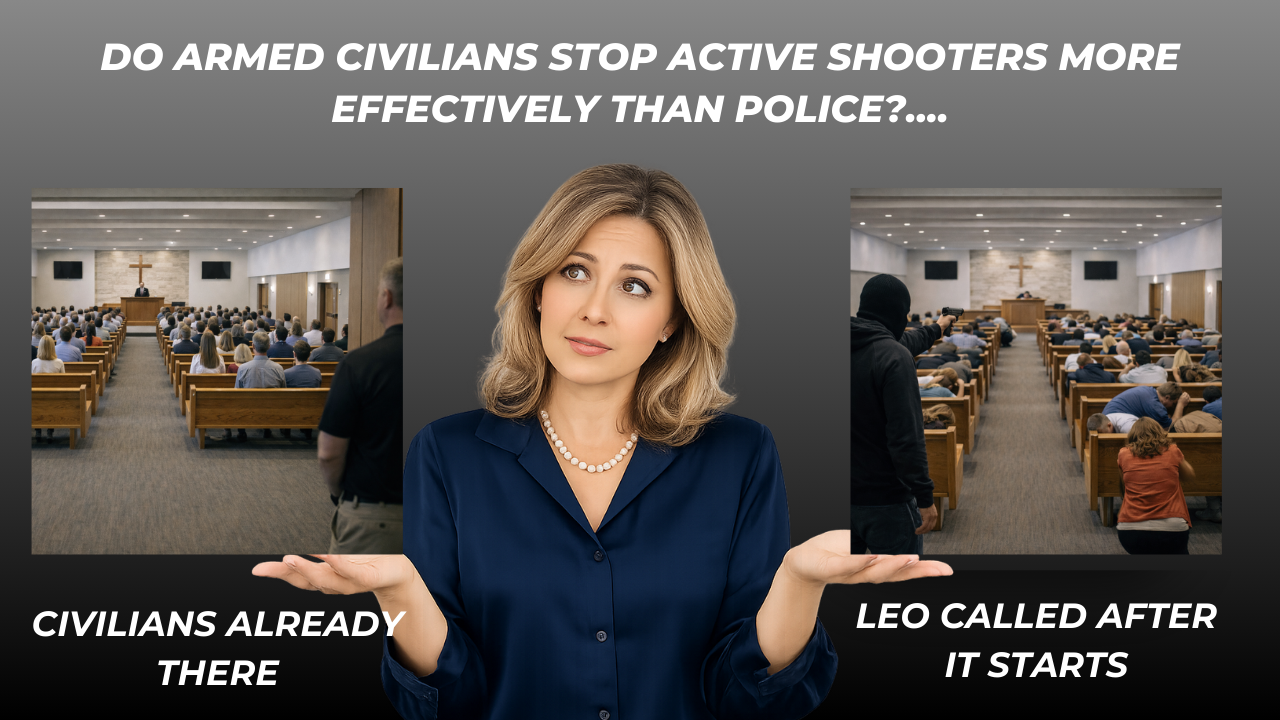
Do Armed Civilians Stop Active Shooters More Effectively Than Police?
We recently came across a 39-page study—originally conducted in April 2025 and revised in October 2025—that was simply too compelling not to share. Titled “Do Armed Civilians Stop Active Shooters More Effectively Than Uniformed Police?”, the research was conducted by John R. Lott Jr. of the Crime Prevention Research Center and Carlisle E. Moody, Professor of Economics (Emeritus) at the College of William and Mary. It takes a deep, data-driven look at a widely debated question: who is more effective at stopping active shooter events—armed civilians or law enforcement? You can review the full 39-page study here.
Who is more effective at stopping active shooter events—armed civilians or police?
Using a dataset of 562 active shooter incidents between 2014 and 2024, the study attempts to compare outcomes when attacks are stopped by:
-
Armed civilians with concealed carry permits
-
Uniformed law enforcement officers
Here’s a breakdown of what the research found—and what it means.
Armed Civilians Stopped More Attacks
One of the most immediate takeaways is simple:
Armed civilians stopped more active shooter incidents than police did.
In the dataset:
-
35% of incidents were stopped by armed civilians
-
30% were stopped by police
-
The remaining incidents ended through other means (suicide, fleeing, or unarmed intervention)
This doesn’t mean police are ineffective—it highlights something important about timing.
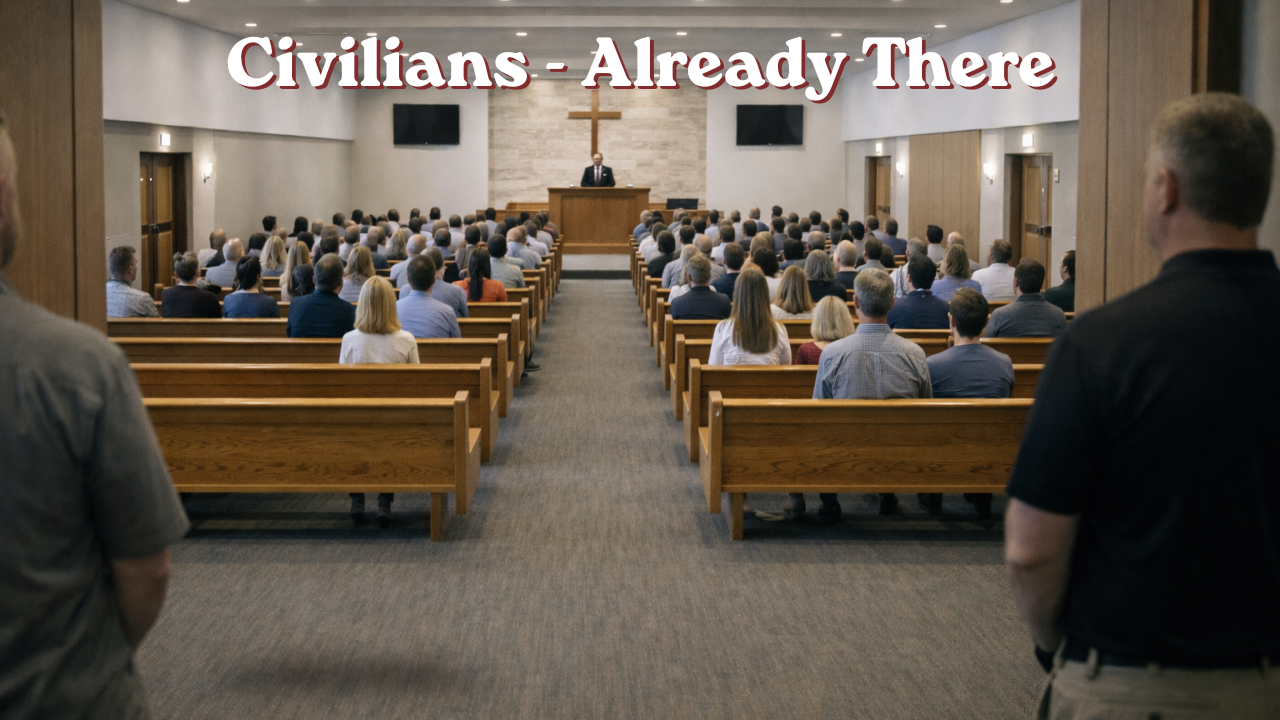
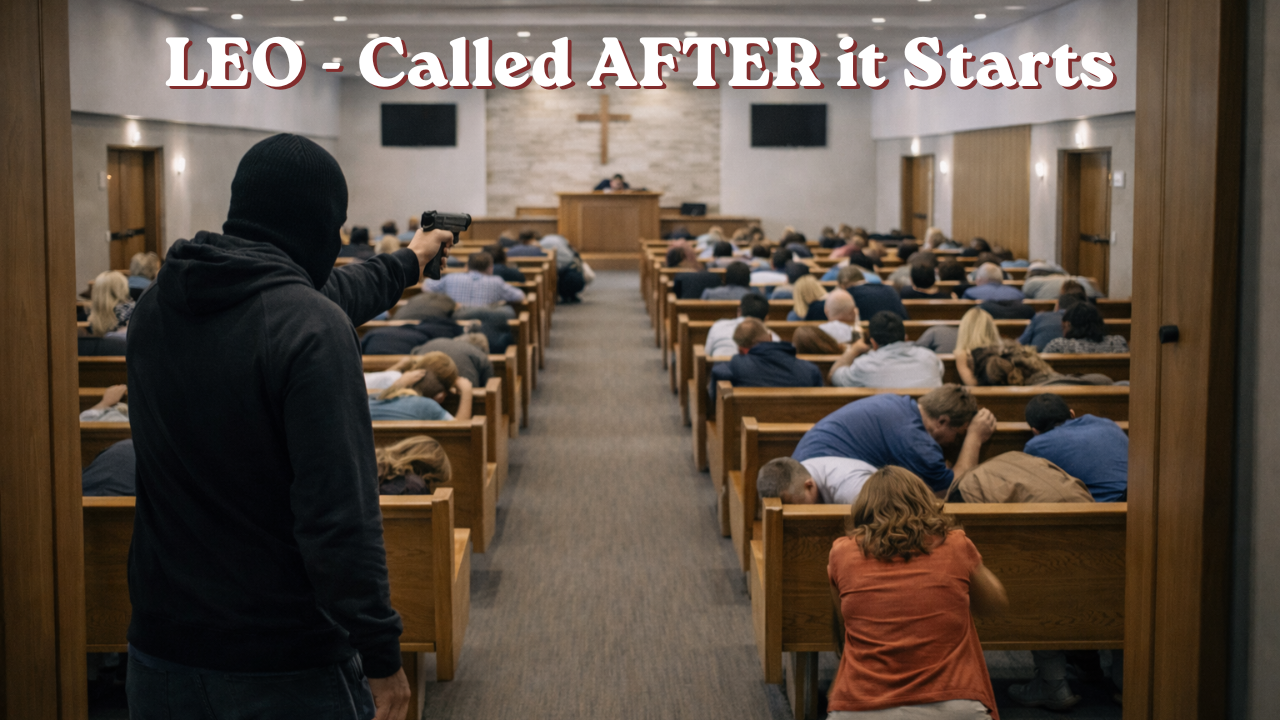
Police typically respond after an attack begins, while civilians are often already on-site when it starts. That proximity can make a critical difference in how quickly a threat is stopped.
Faster Response = Fewer Victims
The most impactful finding in the study centers on casualties.
When armed civilians intervened, incidents had:
-
Fewer people killed
-
Fewer people wounded
-
Lower total casualties overall
The difference wasn’t small—it was statistically significant across multiple models.
Why?
The study points to a simple but powerful factor: speed.
Active shooter events are often over in minutes. In many cases, the outcome is largely determined before police even arrive. A person already present—who can immediately respond—has a clear timing advantage.
The Tactical Advantage of Being Unnoticed
Another key concept the study emphasizes is visibility.
Uniformed officers are:
-
Easy to identify
-
Likely to be targeted first
-
Often avoided by attackers when choosing locations
Armed civilians, on the other hand:
-
Blend into the environment
-
Are not obvious targets
-
Can act before being identified
This mirrors why undercover officers or air marshals operate without uniforms—unpredictability creates an advantage.
What About Mistakes or Risks?
A common concern is whether armed civilians increase the risk of:
-
Hitting the wrong person
-
Interfering with law enforcement
-
Escalating chaos
According to the study’s data:
-
There was 1 mistaken shooting by a civilian
-
Police accounted for 4 mistaken shootings (including friendly fire)
-
No cases were found where civilians interfered with police operations
Both groups had extremely low error rates overall, but the data does not support the assumption that civilian intervention leads to widespread confusion or misuse.
Who Faces Greater Danger?
One of the more surprising findings involves risk to the responder.
The study found that:
-
Armed civilians were killed in about 1% of incidents
-
Police officers were killed in about 16% of incidents
-
Police were also significantly more likely to be wounded
This doesn’t suggest civilians are “better trained”—it highlights situational dynamics.
Police often:
-
Arrive after the shooting has started
-
Confront an already active attacker
-
Are immediately identifiable targets
In contrast, civilians who intervene are often:
-
Already positioned
-
Acting quickly
-
Less likely to be singled out immediately
The Role of Environment and Carry Laws
The study also explored how laws and environments impact outcomes.
States with constitutional carry laws (where permits aren’t required) showed:
-
Slightly fewer deaths per incident
-
Lower overall casualties
The reasoning is straightforward:
If more people are legally able to carry, there’s a higher chance that someone capable of responding is present.
The study also examined “gun-free zones,” suggesting these areas:
-
Reduce the likelihood of civilian intervention
-
May be selected by attackers expecting less resistance
Is the Data Complete?
One of the most important sections of the study focuses on data limitations and media bias.
The researchers argue that:
-
Many civilian interventions are underreported
-
News coverage tends to focus more heavily on police responses or higher-casualty events
-
Incidents where civilians stop a threat early (with fewer victims) may receive less attention
For example:
-
Reports involving civilians were more likely to omit key details
-
Lower-casualty events (which civilians may help create) are less likely to make headlines
This raises an important point:
The effectiveness of early intervention may actually be understated in available data.
What This Study Does—and Doesn’t Say
This study does not claim:
-
Civilians should replace law enforcement
-
Every civilian intervention is ideal
-
Training and preparedness don’t matter
What it does suggest is this:
When seconds matter, the person already there matters most.
Police remain essential for:
-
Investigation
-
Apprehension
-
Long-term public safety
But in the immediate moment of an active attack, initial response time appears to be the most critical factor—and civilians are often first on scene.
Final Thoughts
The findings challenge some common assumptions and reinforce others:
-
Response time is everything
-
Presence matters more than perfection
-
Real-world outcomes don’t always align with perception
Whether you agree with the conclusions or not, the study adds meaningful data to an ongoing conversation about preparedness, response, and public safety.